Trying to decide between a shiny new build and a character-filled historic home in St. Petersburg? You are not alone. Many buyers here end up weighing charm, maintenance, insurance, and long-term costs all at once. The good news is that once you understand the tradeoffs, the right fit becomes much clearer. Let’s dive in.
Why this choice matters in St. Pete
In St. Petersburg, this decision is not just about style. It is also about how a home performs in a coastal Florida climate, what upkeep you may face, and how much process comes with future updates.
The city offers a real mix of housing options. You will find established historic areas such as Historic Old NE, Euclid-St. Paul, Crescent Heights, Snell Isle, Historic Kenwood, Historic Park Street, and Historic Roser Park, along with redevelopment-focused areas like Downtown and the Tropicana Field / Intown West area. According to City of St. Petersburg materials, the Tropicana Field tract has seen major renovation and new construction activity, with a conceptual master plan that envisions up to 9 million square feet of mixed-use development.
That split shows up in the housing stock too. In city tract data, the Kenwood/Palmetto Park area shows a median structure year of 1951, while the Tropicana Field tract shows a median structure year of 1979 and a much higher multifamily share. In simple terms, many buyers are choosing between older neighborhood fabric and newer urban inventory.
Historic homes: charm with more homework
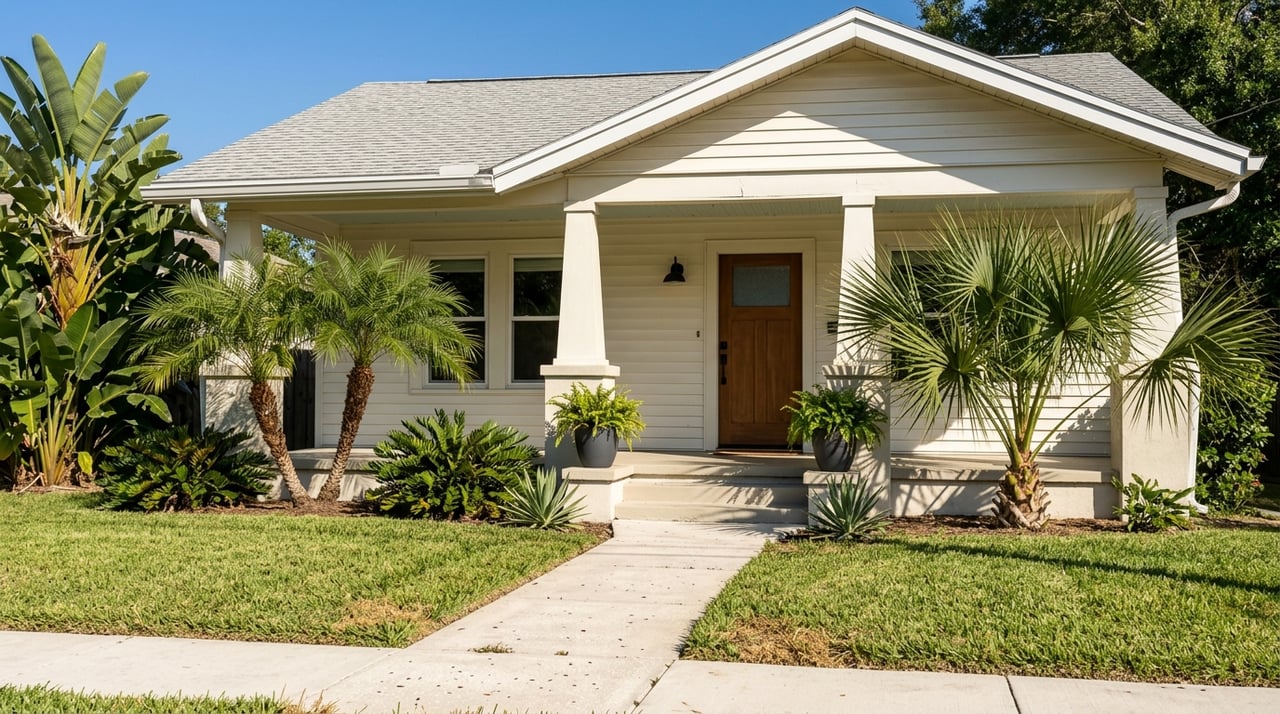
If you love original details, mature streetscapes, and established neighborhood character, a historic home can be very appealing. In St. Pete, that often means bungalows, mid-century homes, and older properties in locally recognized historic areas.
The biggest benefit is the feel. These homes often offer architectural details and neighborhood patterns that newer construction cannot fully replicate. If you want a home with personality and a setting that feels established from day one, historic areas may rise to the top of your list.
The tradeoff is usually more due diligence. Older homes often need closer review of roofs, windows, drainage, and major systems. In a place like Pinellas County, where average annual rainfall is 51.57 inches and nearly 60% falls from June through September, exterior condition and water management matter more than many buyers expect.
New builds: convenience and fewer near-term projects
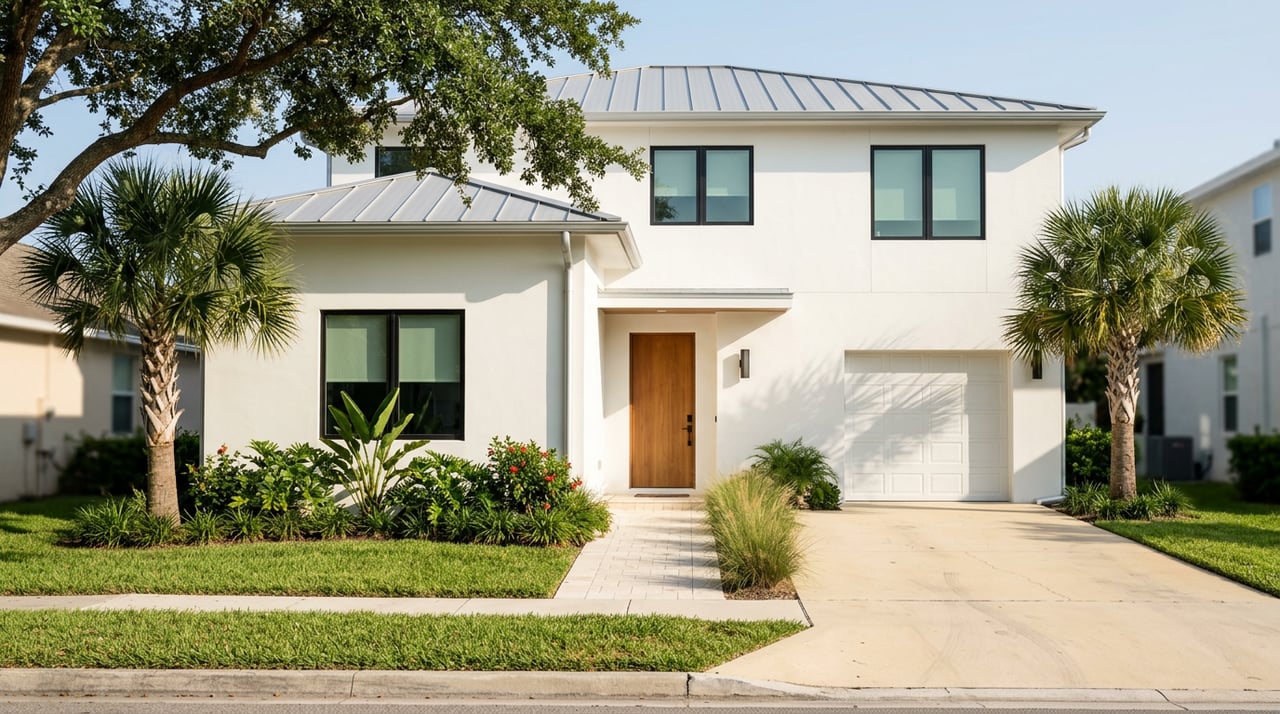
If your top priority is a more turnkey move, a new build or recently redeveloped property may be the better match. Newer homes often reduce the chance of immediate big-ticket repairs and can offer more current materials and storm-readiness features.
That can be especially appealing in St. Petersburg. Pinellas County recommends looking closely at year built, materials, roof replacement year, and whether a home has impact windows or coverings when judging storm readiness. Those factors are outlined in the county’s evacuation and preparedness guidance.
For many buyers, that translates into peace of mind. A newer home may mean fewer early surprises and less immediate maintenance planning, especially if you want to settle in without taking on a long repair list.
Maintenance is often the biggest difference
For day-to-day ownership, maintenance is where the gap between new and historic homes usually becomes most noticeable. That is true in most markets, but it matters even more in coastal Florida.
Older homes may require more attention to the roof, exterior envelope, drainage, gutters, grading, windows, and mechanical systems. Because heavy rain and storm surge can combine to worsen flooding, Pinellas County notes that buyers should think beyond waterfront location alone.
Newer homes are not maintenance-free, of course. But many buyers choose them because they may lower the number of near-term capital repairs. Historic homes can absolutely be worth it, but they tend to reward buyers who are ready to budget and plan over time.
Insurance and flood risk can reshape your budget
In St. Pete, insurance is not a side issue. It is a major part of the decision.
Pinellas County states that flood insurance is separate from most homeowners policies and that flooding can occur anywhere in the county. If you are buying in a FEMA Special Flood Hazard Area with a federally backed mortgage, flood insurance is required.
That is why it is smart to check the property early using the county’s Flood Map Service Center. You can review flood zones, evacuation zones, storm surge exposure, and related maps before you get too far into the process.
Older homes can also raise more insurance questions around roof age and wind mitigation. Florida says mitigation upgrades may include impact-resistant windows, shutters, garage-door reinforcement, roof-to-wall connectors, and roof improvements, and insurers must offer wind-mitigation discounts or credits.
That does not mean an older home is automatically a problem. In fact, Florida law limits denials or nonrenewals based solely on roof age in many cases, and for roofs 15 years or older, owners can request an inspection. If the roof has at least five years of useful life remaining, an insurer may not refuse coverage solely because of age, according to the same state mitigation resource.
Historic rules affect future renovations
One of the biggest surprises for buyers is that historic homes are not frozen in time, but updates can involve more review. If you are planning exterior changes, you need to understand that process before you buy.
Pinellas County’s historic preservation resources include a Certificate of Appropriateness application and review process, along with information on preservation-related tax exemptions. In St. Petersburg, the city’s historic preservation GIS map tracks local landmarks, national-register landmarks, potentially eligible properties, and local historic districts.
City materials also note that local landmark designation means future exterior changes are subject to Certificate of Appropriateness review, though the designation does not change zoning or the Future Land Use Map. For you as a buyer, the practical takeaway is simple: if you want to change the outside of a historic property, budget more time and confirm the rules upfront.
Tax benefits may differ by property
Costs are not only about repairs and insurance. Property taxes and exemptions can also shape affordability over time.
Pinellas County notes that homesteaded primary residences may qualify for the standard homestead exemption, the additional exemption on the $50,000 to $75,000 assessed-value band, and the Save Our Homes cap. The county also notes that some historic properties may qualify for restoration- or rehabilitation-related property tax exemptions.
There may be additional preservation-related savings as well. Under the county’s historic preservation guidance, state law allows a county or municipality to exempt up to 100% of the assessed value of improvements created by restoration, rehabilitation, or renovation for up to 10 years if the owner signs a maintenance covenant.
Which home type fits your goals?
The best choice usually comes down to how you want to live, maintain, and budget for the home.
A new build may fit you if...
- You want a more turnkey move-in experience
- You prefer fewer immediate repair projects
- You want to focus on current systems and storm-readiness features
- You are considering Downtown or redevelopment-focused areas
A historic home may fit you if...
- You value original character and established streetscapes
- You are drawn to neighborhoods like Historic Old NE, Historic Kenwood, Historic Park Street, Historic Roser Park, or Euclid-St. Paul
- You are comfortable doing deeper due diligence
- You are willing to plan for maintenance and possible review requirements for exterior work
Neither option is better across the board. It really depends on whether you want convenience, character, or a balance of both.
Smart questions to ask before you buy
Whether you choose a new build or a historic home, a few local questions can help you avoid surprises.
- Confirm the flood zone, evacuation zone, storm surge exposure, and map details through the Pinellas County Flood Map Service Center
- Ask for the year built, roof replacement date, and whether the property has impact windows or coverings using the county’s storm-readiness guidance
- Check whether the property is in a local historic district or landmark overlay using the city’s historic preservation GIS
- Get homeowners and flood insurance quotes early, since flood coverage is separate from most homeowners policies
- Review whether the property may qualify for homestead, Save Our Homes, or historic-preservation tax relief
- For older site-built homes, look into a mitigation inspection and My Safe Florida Home eligibility
The right St. Pete home starts with the right strategy
In St. Petersburg, choosing between a new build and a historic home is really about matching the property to your priorities. If you want less near-term maintenance and a more streamlined ownership experience, newer construction may be the better fit. If you want character, established neighborhood fabric, and are comfortable with more research and upkeep, a historic home may be the one that feels right.
The key is knowing what to verify before you make an offer. If you want help comparing options, narrowing neighborhoods, or weighing the real costs behind each choice, Ali Schaaff can help you navigate the process with clear local insight and responsive guidance.
FAQs
What is the main difference between new builds and historic homes in St. Petersburg?
- New builds often offer fewer immediate repair concerns, while historic homes often offer more character and established surroundings but may require more maintenance and due diligence.
How do flood zones affect home buying in St. Petersburg?
- Flood zones can affect insurance requirements and monthly costs, and Pinellas County recommends checking flood zones, evacuation zones, and storm surge exposure before making an offer.
Do historic homes in St. Petersburg have renovation restrictions?
- Some do. If a property is a local landmark or in a local historic district, exterior changes may require a Certificate of Appropriateness review.
Are older homes in Pinellas County harder to insure?
- Older homes can require more review for roof age and mitigation features, but Florida also provides rules around roof-age underwriting and requires insurers to offer wind-mitigation discounts or credits.
What should you ask before buying an older home in St. Petersburg?
- Ask about year built, roof replacement date, impact windows or coverings, flood and evacuation zones, insurance costs, and whether the home falls within a historic district or landmark overlay.