Thinking about trading snow shovels for Gulf sunsets and a relaxed suburban pace? If you are relocating from out of the area, it can be hard to compare neighborhoods, commutes, and coastal risks from a distance. This guide gives you a clear picture of Palm Harbor so you can move with confidence. You will learn where to look, what to check, and how to buy efficiently from afar. Let’s dive in.
Palm Harbor at a glance
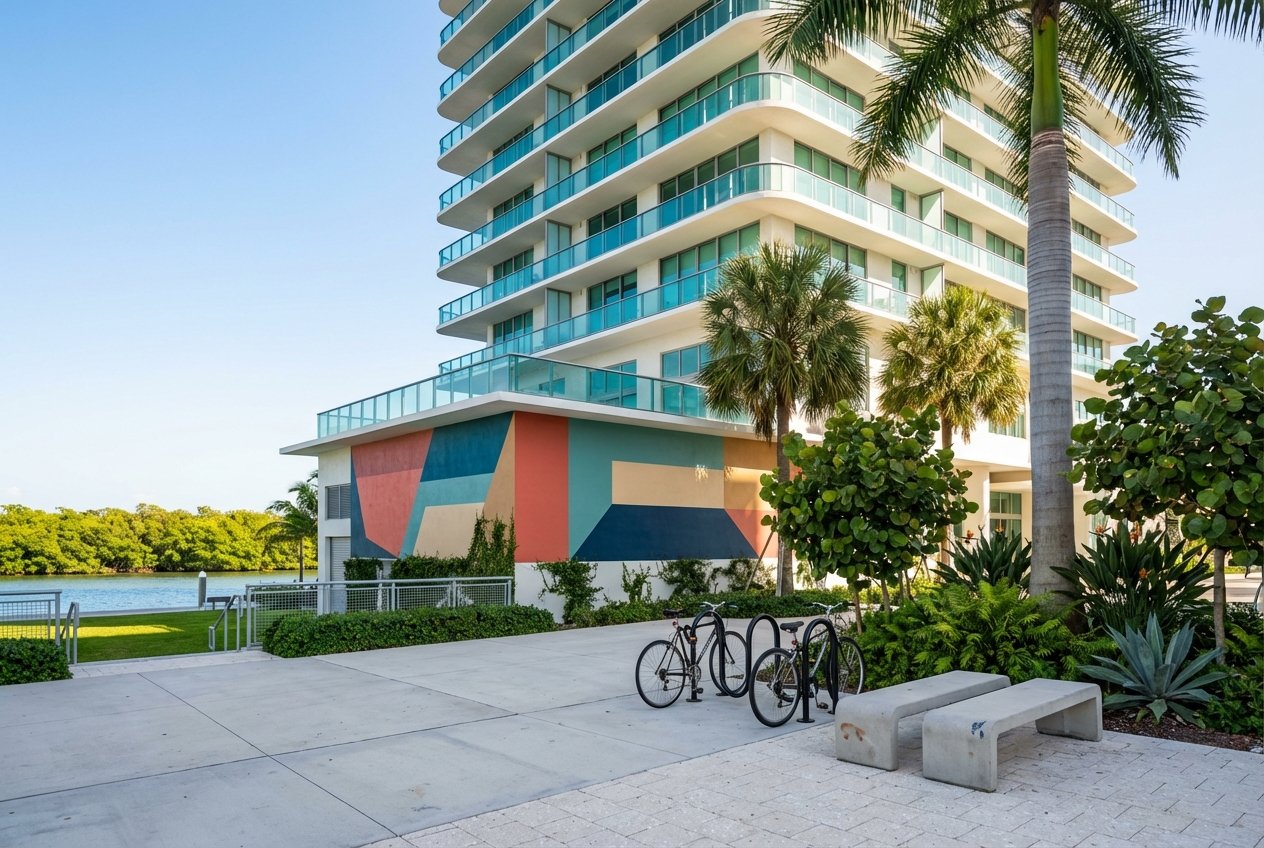
Palm Harbor is an unincorporated community on Florida’s west coast in Pinellas County. You get a blend of suburban neighborhoods, a small downtown Main Street, golf and resort enclaves, and Gulf and Intracoastal waterfront pockets. Driving is the primary way to get around, and beaches and state parks are close by.
If you want a quiet residential feel without giving up access to parks, marinas, and dining, Palm Harbor can be a strong fit. Families, retirees, and second‑home buyers often choose it for larger lots, outdoor recreation, and coastal proximity.
Neighborhoods and home types
Old Palm Harbor and Main Street
In and around the Main Street area, you will find smaller lots, walkable blocks, and a mix of older bungalows and renovated homes. You can stroll to shops and restaurants, but most daily errands still require a car. Renovations and infill continue to refresh the housing stock.
Waterfront areas: Ozona and Crystal Beach
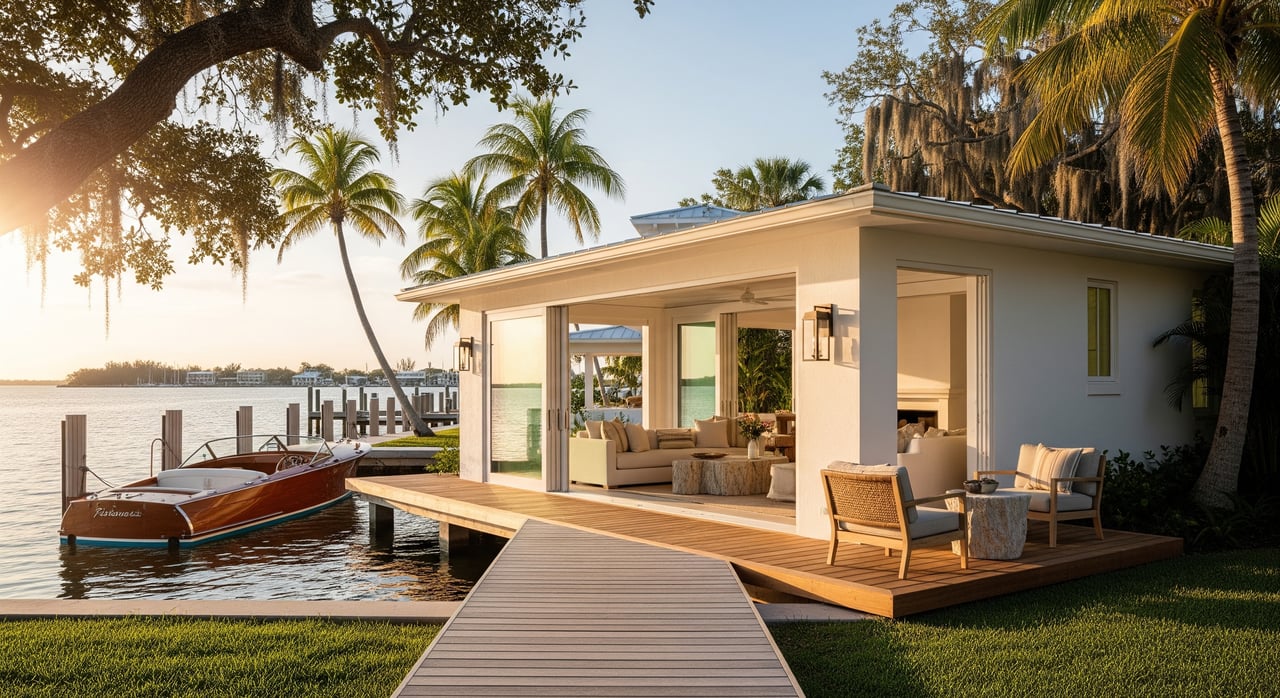
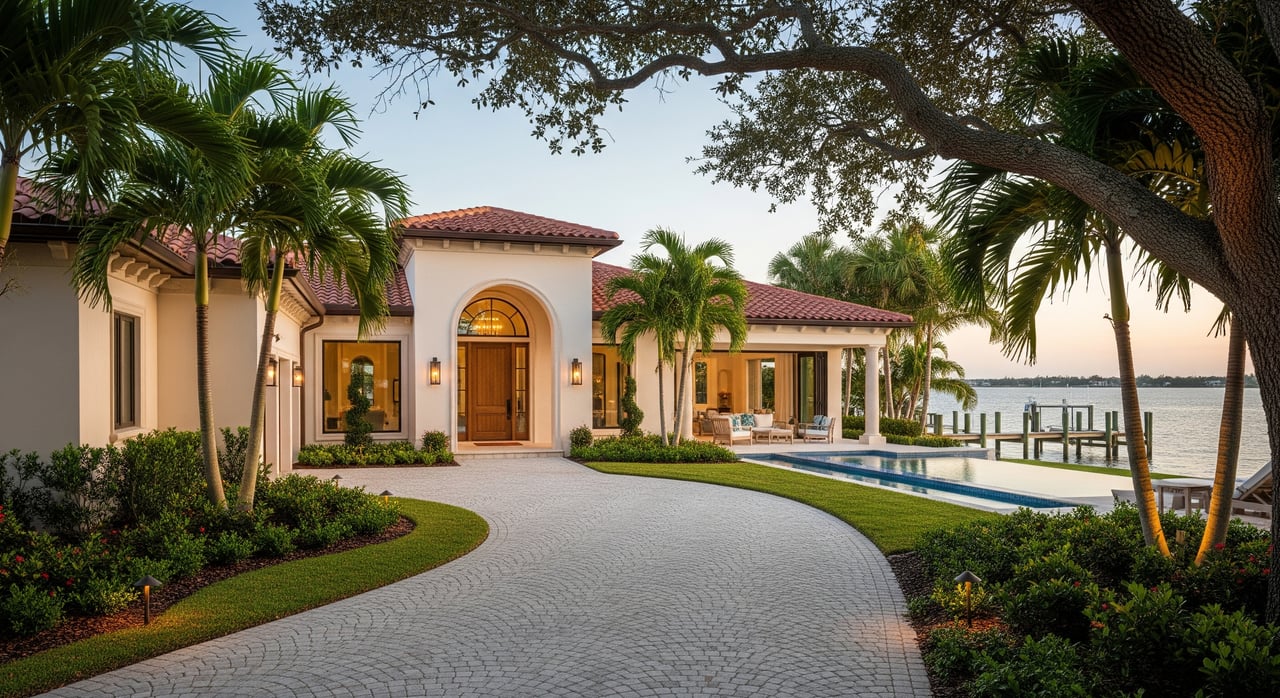
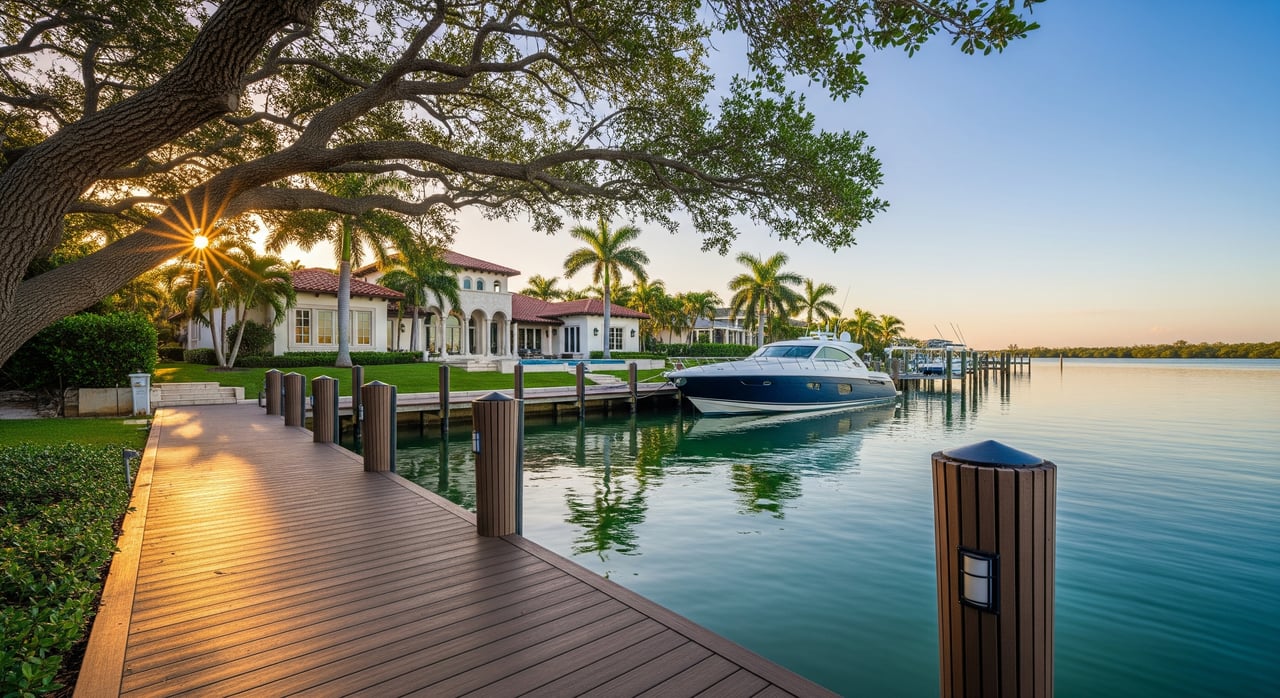
Along the Intracoastal and in nearby pockets like Ozona and Crystal Beach, you will see single‑family waterfront homes, marinas, and boat access. Prices and maintenance needs are higher here, and flood exposure is a key part of due diligence. Seawalls, docks, and bulkheads need regular inspection and care.
Golf and resort communities
Near resort areas such as the Innisbrook corridor, you will find single‑family homes, villas, and condos. These neighborhoods often offer pools, fitness, and golf access. They are popular with seasonal residents and buyers who prefer amenities with lower exterior upkeep.
Suburban subdivisions and townhomes
Across Palm Harbor you will see mid‑century ranches, two‑story family homes, and newer infill builds. Townhomes and villas provide a low‑maintenance option if you do not want full yard care. Lots are generally larger than in the beach‑adjacent cities to the south.
Manufactured and 55+ options
Manufactured home communities and age‑restricted options offer cost‑sensitive choices. If you consider these, confirm whether you own the land or lease the lot, and review park rules and FEMA flood maps before you commit.
Commute and transportation
Driving is the norm. US‑19 is the main corridor, with connections to the Veterans Expressway for Tampa. Expect congestion on US‑19 during peak hours and plan extra time for cross‑bay commutes.
Pinellas Suncoast Transit Authority operates bus service across the county. For schedules and routes, check the PSTA system. For most daily cross‑bay trips, driving remains faster than transit.
Walkability is strongest near Main Street and in some planned communities. The regional Pinellas Trail is a major amenity for biking and jogging. See the county’s overview of the Pinellas Trail to understand connections near your target neighborhood.
Pro tip: Before you offer on a home, do commute‑time checks from the property to your workplace and the airport at the exact hours you would drive. Ask for a recorded or live timed drive.
Beaches, parks, and outdoor life
Honeymoon Island State Park is a local favorite for beaches, shelling, and nature trails. Learn more about amenities and access at the Honeymoon Island State Park page. From there, a ferry takes you to Caladesi Island State Park, a protected barrier‑island beach.
Clearwater Beach and Dunedin beaches are also reachable by car. Parking fills fast on weekends and during high season, so plan early arrivals. State parks may charge per‑vehicle entrance fees.
HOAs and condos: what to know
Understanding the difference between an HOA and a condo association can save you time and money.
- HOA communities: You own the land and structure. The HOA typically handles architectural rules, common areas, landscaping, and sometimes private roads and amenities. Fees vary with services.
- Condominium associations: You own the interior of your unit. The association maintains common elements and exteriors, and carries the master policy for the building shell. Your personal policy covers the interior and contents.
What fees may cover:
- Landscaping, common‑area maintenance, pools and fitness centers
- Trash, exterior insurance for condos, and reserve fund contributions
- On‑site management, security, or specialty amenities like golf and marinas
Financing considerations for condos:
- Lenders often review association reserves, insurance, owner‑occupancy ratios, and any special assessments.
- FHA/VA may require project approvals. Associations with weak reserves or pending assessments can affect loan options and resale.
Documents to request during diligence:
- Governing documents, budgets, reserve studies, insurance certificates
- Recent board minutes and any special assessments
- Rental rules, pet policies, and maintenance or replacement schedules
Flood, hurricane, insurance, and inspections
Parts of Palm Harbor, especially along the coast and low‑lying areas, are in FEMA flood zones. Before you write an offer, look up the property on the FEMA Flood Map Service Center. If it is in a Special Flood Hazard Area, ask for an elevation certificate and get flood insurance quotes.
Florida homeowners policies often include separate wind or hurricane deductibles. Get quotes early, and ask about discounts for wind‑mitigation features like impact windows, roof strapping, and newer roof coverings. If private carriers are limited, your agent or insurer can explain eligibility for Citizens Property Insurance.
For storm planning and evacuation information, review guidance from the Florida Division of Emergency Management. During inspections, go beyond the standard home review when needed. Consider roof, HVAC, electrical and plumbing checks, plus termite, mold, and seawall or bulkhead evaluations for waterfront lots.
Schools and boundaries
Palm Harbor is served by Pinellas County Schools. If schools are part of your decision, verify attendance zones and program options directly with Pinellas County Schools. Boundaries can change, so confirm before you rely on any listing reference.
Your relocation plan: step by step
Follow this simple workflow to save time, reduce surprises, and keep momentum.
- Initial screening
- Use your agent’s MLS portal to filter by price, beds, baths, HOA or condo, and flood zone status.
- Favor listings with floor plans, measurements, and 3D or video tours.
- Live walkthroughs
- Schedule real‑time video tours via FaceTime, Zoom, or WhatsApp.
- Request a timed drive to key routes, grocery stores, beaches, and parks.
- Ask for short videos of Main Street, trail access, and beach parking to judge crowding and walkability.
- Document review
- Request HOA or condo budgets, reserves, insurance, and recent minutes.
- Get seller disclosures, recent utility bills, and tax history from the Pinellas County Property Appraiser.
- Contract to closing
- Use local lenders who understand Florida insurance and condo nuances.
- Schedule inspections promptly, and consider a third‑party to attend repairs or the final walkthrough if you cannot be here in person.
- Move logistics
- Gather mover quotes, set up electricity, water, and internet, and line up lawn or pool care if needed.
Newcomer consultation: what to cover
- Property fit: lot size, structure age, flood zone, and maintenance needs
- HOA or condo overview: fees, reserves, assessments, and rental policy
- Commute mapping: real travel times to work and the airport
- Lifestyle mapping: beach access, parks, golf, and trail proximity
- Insurance and inspections: roof, wind mitigation, flood, and seawall checks
- School questions: attendance zones and enrollment steps
- Timeline: seasonality, travel windows, and financing milestones
Quick relocation checklist
- Check the address on the FEMA flood map and note the zone
- Price insurance early, including flood and wind coverage
- Verify school boundaries and programs with Pinellas County Schools
- Review HOA or condo budgets, reserves, and any special assessments
- Ask for live video tours and timed commute drives
- Inspect roof, systems, and, for waterfront, seawalls or docks
- Confirm rental and pet rules if you plan to rent or bring pets
Next steps and local help
A smooth relocation takes clear guidance, practical checklists, and quick answers when the right home hits the market. If Palm Harbor feels like the right fit, let a local pro handle the details and keep your search moving.
Ready to explore neighborhoods, line up virtual tours, and map out a confident plan? Connect with Ali Schaaff to schedule your newcomer consultation.
FAQs
Is Palm Harbor walkable for daily errands?
- Some pockets near Old Palm Harbor’s Main Street and certain planned communities are walkable, but most daily errands require a car.
How close are Palm Harbor homes to Gulf beaches?
- Honeymoon Island and Caladesi Island are a short drive from most neighborhoods, with exact travel times varying by location and traffic.
Do condo communities restrict rentals in Palm Harbor?
- Many condo associations set rental caps and minimum lease terms, so always review the condo declaration and rules before you buy.
Do I need flood insurance in Palm Harbor?
- If the property is in a FEMA Special Flood Hazard Area or your lender requires it, yes. Even outside mapped zones, flood coverage can be a smart precaution.
What should I know about hurricanes and insurance?
- Florida policies often have hurricane deductibles. Ask about wind‑mitigation credits and compare private carrier options with the state‑backed Citizens program.
What is the commute like to Tampa or Clearwater?
- Driving is typical, with US‑19 congestion at peak hours. Verify real travel times from the specific property during the hours you would commute.