If you are trying to decide between a condo and a single-family home in Clearwater, the choice can feel bigger than square footage alone. Your budget, maintenance style, commute, and storm planning all play a role in what will feel right day to day. The good news is that Clearwater offers strong options in both categories, and knowing what to compare can help you move forward with confidence. Let’s dive in.
Price and space in Clearwater
For many buyers, the first big difference is cost. Homes.com reports Clearwater’s median sale price at $314,000, with a median single-family home sale price of $399,949 and a median condo price of $169,900. That gap makes condos an appealing starting point if you want to get into the Clearwater market at a lower price point.
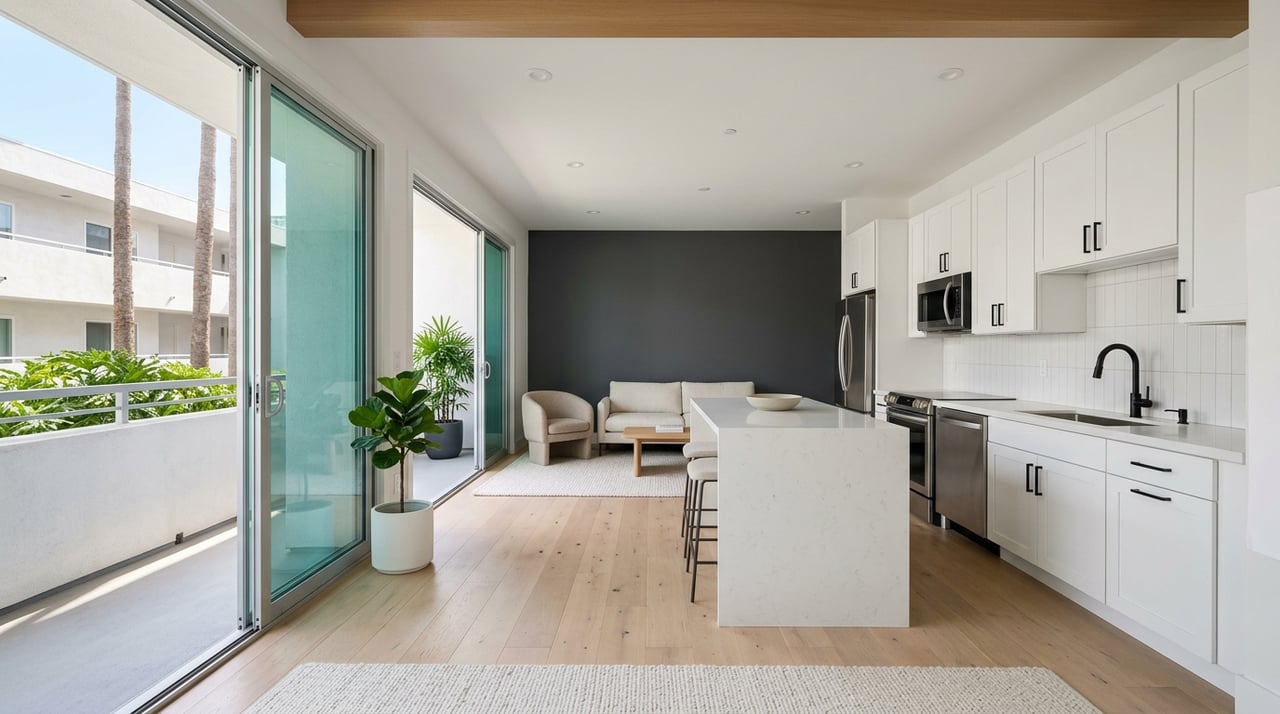
Space is usually the tradeoff. Homes.com reports the average single-family home size at 1,413 square feet, with a median lot size of 7,623 square feet. Condo sizes are typically much smaller, with studios around 457 square feet, one-bedroom units around 697 square feet, and two-bedroom units around 1,129 square feet.
In simple terms, condos often buy you convenience and efficiency, while single-family homes tend to buy you more interior space and land. If you want a yard, storage, or more separation from neighbors, a detached home may fit better. If you prefer a more compact footprint and less exterior upkeep, a condo may be the better match.
Location can outweigh property type
In Clearwater, location can matter just as much as whether you buy a condo or a house. Homes.com notes that inland condo units can start around $100,000 and run into the $300,000s, while waterfront condos can range from the low $300,000s bayside to multimillion-dollar Gulf-front high-rises. That means the condo category covers a wide range of lifestyles and budgets.
Beach-area pricing sits in a different bracket. Homes.com reports Clearwater Beach one-bedroom condos at $445,000 and two-bedroom units at $675,000. In Sand Key, one-bedroom condos are reported at $625,700 and two-bedroom units at $777,300.
That pricing tells you something important. A condo near the water may cost more than a single-family home farther inland. If beach access, views, or walkability are high on your list, focus on the full location picture instead of assuming condos are always the lower-cost option.
Clearwater lifestyle and daily convenience
One of the strongest reasons buyers choose a condo in Clearwater is location-driven convenience. The City of Clearwater says Clearwater Beach sits at the west end of Gulf-to-Bay Boulevard, is very walkable, and offers restaurants, shops, year-round lifeguards, and daily beach cleaning. Visit St. Pete-Clearwater also describes Clearwater as a waterfront city with a walkable downtown, waterfront parks, and major dining and entertainment options.
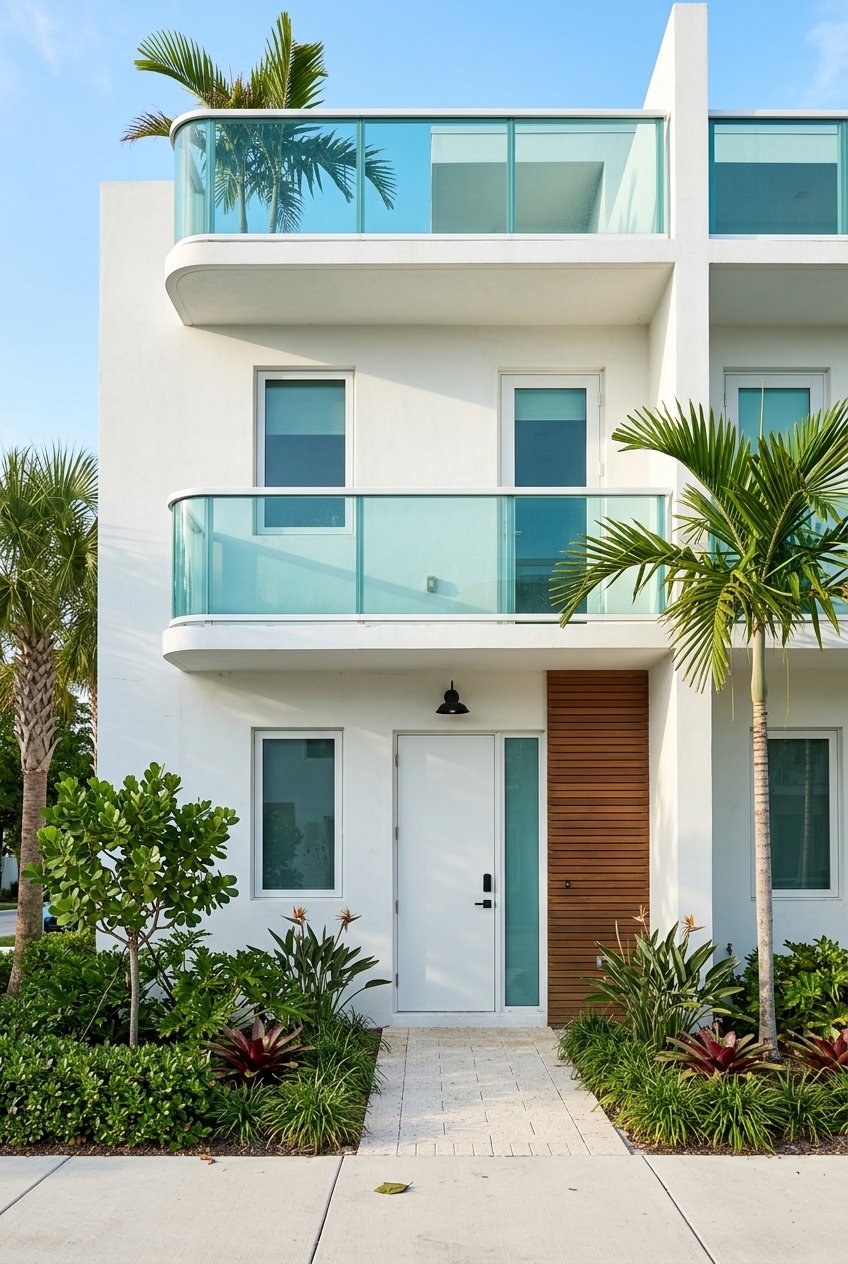
If you want to be close to activity, a condo may put you nearer to the beach, downtown, or waterfront amenities. That can be especially appealing if you value lock-and-leave living or spend more time out enjoying the area than maintaining a property. For some buyers, that ease is worth the smaller footprint.
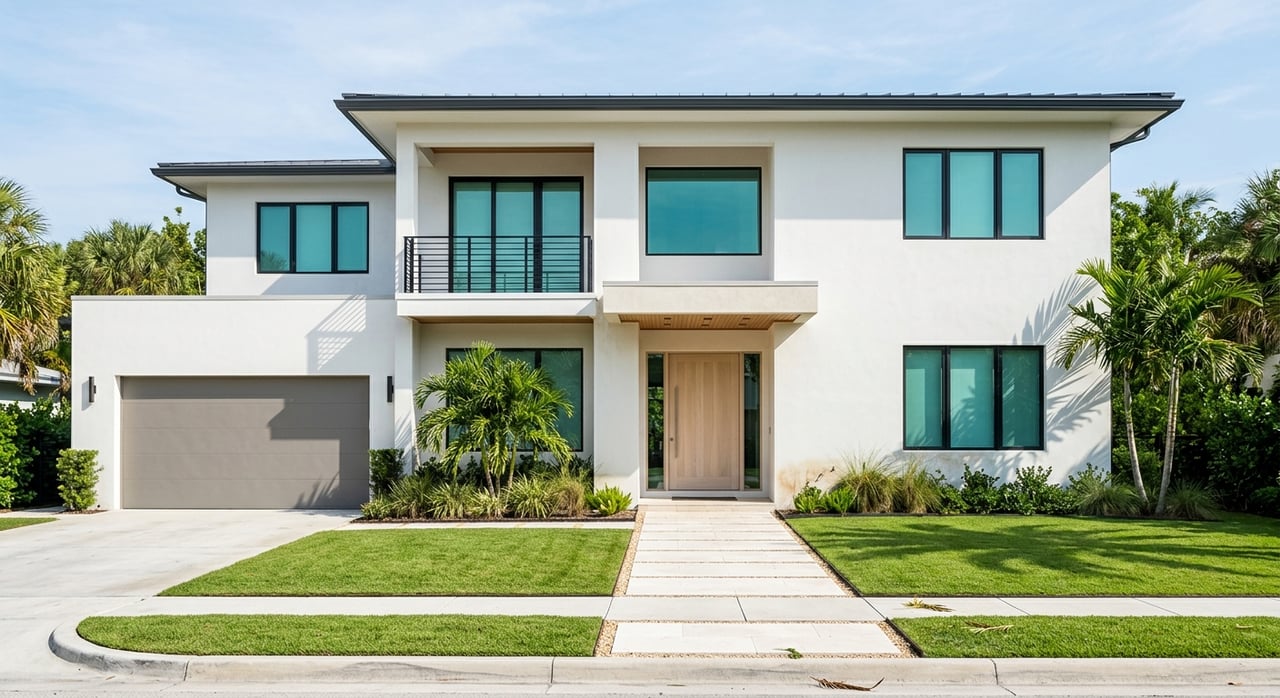
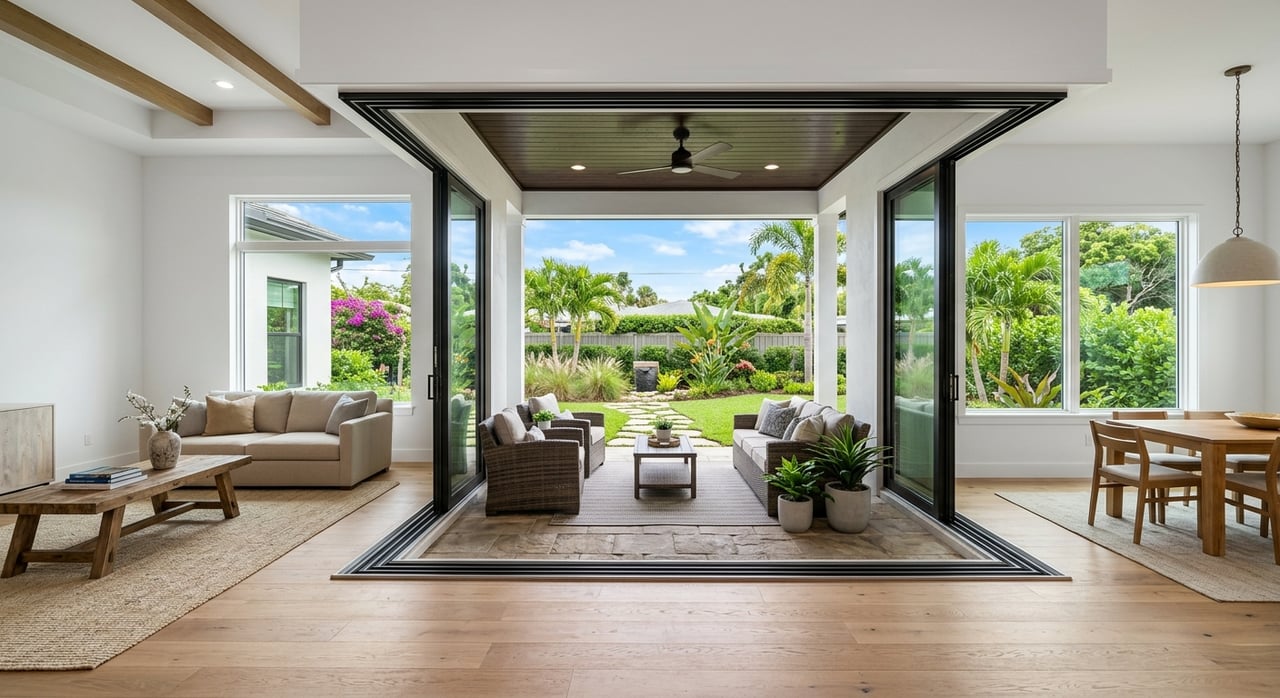
Single-family homes can make more sense if your daily routine calls for more room to spread out. You may want space for hobbies, guests, pets, parking, or outdoor living. A detached home often gives you more flexibility in how you use the property over time.
Maintenance and monthly costs
The biggest practical difference between condos and single-family homes is usually maintenance responsibility. Under Florida condominium law, the association is responsible for common elements, except for limited common elements assigned to unit owners by the declaration. Unit owners are also responsible for assessments, and the association has a lien on each condominium parcel to secure payment.
That structure changes how ownership feels month to month. With a condo, some maintenance is shifted away from you and handled through the association. But the cost does not disappear. It moves into dues, assessments, and reserve funding.
With a single-family home, you typically have more direct control over maintenance and improvements. You also take on direct responsibility for repairs, from routine upkeep to bigger-ticket items like roofing or exterior work. Some buyers like that control, while others prefer the shared structure of condo ownership.
What to budget beyond the purchase price
When you compare condos and houses, look beyond the list price. Your total monthly housing cost can include mortgage principal and interest, property taxes, homeowners insurance, flood insurance if applicable, utilities, maintenance, and repairs. For condos, association dues are another major line item.
Those dues are usually paid directly to the association rather than through the mortgage servicer. They can range from a few hundred dollars a month to more than $1,000, depending on the property and amenities. In a condo search, it is smart to compare not only the payment but also what the dues cover.
A single-family home may have a higher repair and upkeep burden even if there are no condo dues involved. The right question is not just, “Which is cheaper?” It is, “Which monthly cost structure fits how I want to live?”
Flood zones and coastal planning
In Clearwater, flood risk should be part of every home search, whether you are buying a condo or a single-family property. Pinellas County says everyone in the county is in a flood zone, and flood zones are different from evacuation zones. The county also recommends flood insurance even outside a FEMA flood zone if a property is susceptible to storm surge.
The City of Clearwater provides property-level flood-zone and elevation data and notes that sunny-day flooding is becoming more common in coastal communities like Clearwater. That makes it important to review a property’s location carefully, especially near the coast or on the barrier islands. A lower-maintenance home does not mean lower weather-related risk.
If you are comparing properties in Clearwater Beach, Sand Key, or Island Estates, add storm logistics to your checklist. The City of Clearwater’s Barrier Island Re-Entry Pass program covers those areas, and eligible residential properties include single-family homes, condominiums, apartments, duplexes, triplexes, and boat slips. For buyers in these areas, evacuation planning and post-storm re-entry are part of the ownership picture.
Condo financing and resale details
Condo buyers in Clearwater should pay close attention to the health of the association and the condition of the building. Florida law requires milestone inspections for condominium and cooperative buildings that are three habitable stories or more, with the initial inspection due by age 30, or age 25 in some saltwater-adjacent circumstances. These requirements do not apply to single-family homes, duplexes, or triplexes with three or fewer habitable stories.
That matters in Clearwater because Homes.com reports a median year built of 1972. In an older housing market, building condition, reserve funding, insurance, and deferred maintenance can have a real effect on financing and future resale. For condos, the project itself matters, not just the unit.
Fannie Mae also notes that some condo projects can be ineligible when they have issues such as critical repairs, inadequate insurance, significant litigation, or hotel or short-term rental operations. That does not mean a condo is the wrong choice. It means due diligence is especially important before you commit.
Commuting and work patterns
Your work routine can also shape the right decision. The City of Clearwater lists major employers including BayCare Health System, AmeriLife, Bausch & Lomb Surgical, Monin, FrankCrum, KnowBe4, GE Vernova, FlyUSA, and Lincare. The city also says Clearwater has access to a regional workforce of more than 1.5 million.
That broad employment base supports different living patterns. A condo may work well if you want a lower-maintenance home base and spend time moving around the wider Pinellas or Tampa Bay area. A single-family home may be more appealing if your home needs to do more, such as support guests, hobbies, or longer-term lifestyle changes.
How to choose the better fit
If you are still deciding, it helps to compare your priorities side by side.
| Priority | Condo may fit better | Single-family home may fit better |
|---|---|---|
| Purchase budget | Lower median price citywide | Higher median price citywide |
| Space needs | Smaller footprint | More interior space and land |
| Maintenance style | Shared maintenance through association | Direct owner responsibility |
| Beach access | Often stronger in waterfront areas | Varies by neighborhood |
| Monthly costs | Dues plus housing costs | Repairs and upkeep handled directly |
| Control over property | More association structure | More flexibility and independence |
A condo may be the right fit if you want a lower-maintenance lifestyle, you are comfortable reviewing dues and association documents, and you value convenience or waterfront access. A single-family home may make more sense if you want more room, a yard, privacy, and direct control over maintenance and improvements.
The best answer usually comes down to how you want to live in Clearwater, not just what looks better on paper. If you want help comparing specific neighborhoods, condo communities, or single-family options, Ali Schaaff can help you sort through the details and find the right fit for your goals.
FAQs
What is the price difference between Clearwater condos and single-family homes?
- Homes.com reports a median condo price of $169,900 in Clearwater and a median single-family home sale price of $399,949.
How much space do Clearwater condos usually have?
- Homes.com reports typical condo sizes of about 457 square feet for studios, 697 square feet for one-bedrooms, and 1,129 square feet for two-bedrooms.
Are Clearwater single-family homes larger than condos?
- Yes. Homes.com reports an average single-family home size of 1,413 square feet, plus a median lot size of 7,623 square feet.
Do Clearwater condos have association fees and assessments?
- Yes. Under Florida condominium law, unit owners are responsible for assessments, and associations maintain common elements as defined by the governing documents.
Are flood zones important when buying in Clearwater?
- Yes. Pinellas County says everyone in the county is in a flood zone, and buyers should also understand how flood zones differ from evacuation zones.
Do condo inspection rules in Clearwater differ from single-family homes?
- Yes. Florida milestone-inspection rules apply to certain condominium and cooperative buildings that are three habitable stories or more, but not to single-family homes, duplexes, or triplexes with three or fewer habitable stories above ground.
Is a condo or house better for living near Clearwater Beach?
- It depends on your goals. Condos often offer stronger beach-area access and walkability, while single-family homes may offer more space and privacy.