Wondering whether urban or suburban Tampa is the better fit for your lifestyle? It is a smart question, because in Tampa, the choice is not just about city energy versus extra space. Your commute, housing style, daily routine, and even how you spend weekends can all shift depending on where you land. This guide breaks down how urban and suburban living compare in Tampa so you can make a more confident move. Let’s dive in.
Urban Tampa at a glance
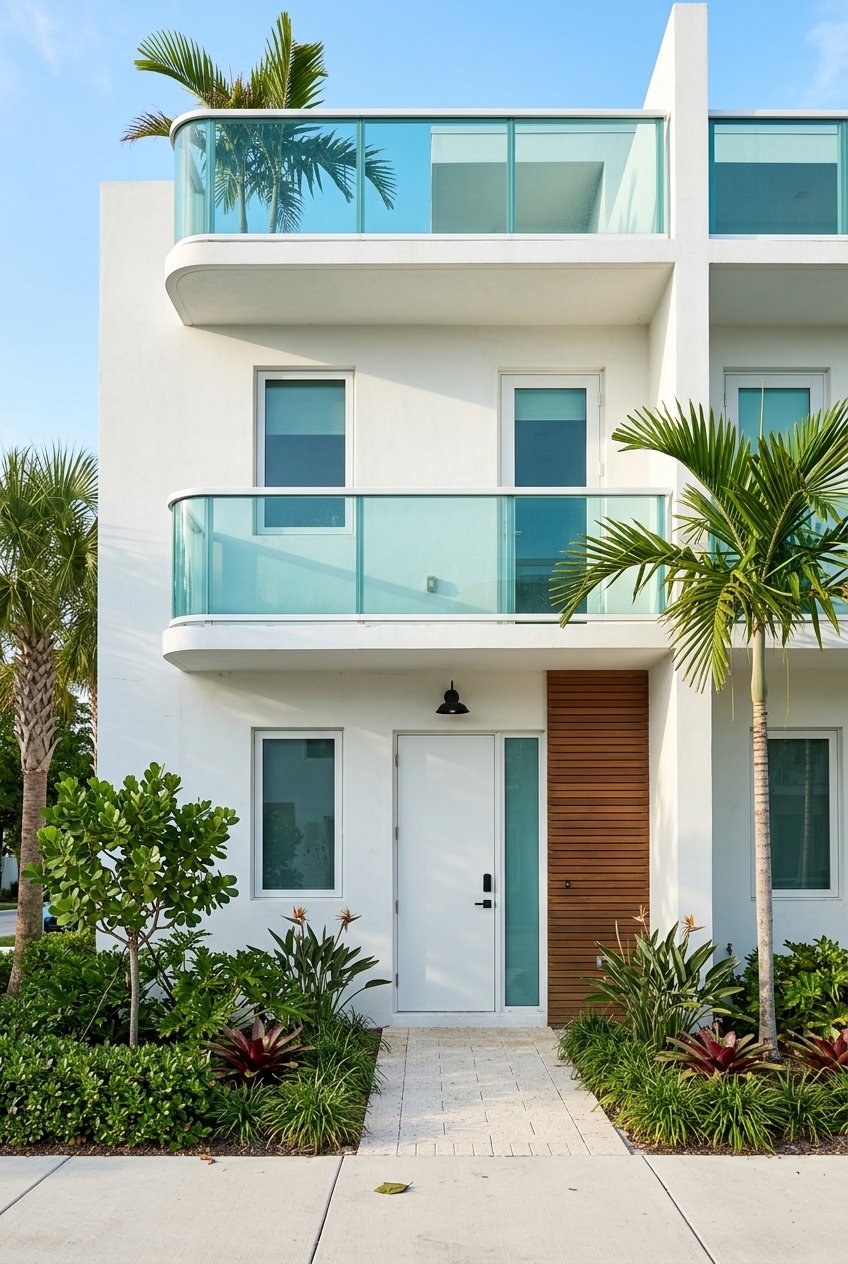
Urban Tampa offers a more connected, active feel, especially in and around Downtown Tampa, the Channel District, Hyde Park, Ybor City, North Hyde Park, Old Seminole Heights, and Old West Tampa. These areas range from waterfront high-rises and townhomes to historic bungalows and older single-family homes on smaller lots.
Downtown Tampa stands out for its Riverwalk access, waterfront parks, museums, dining, sports, and nightlife. The Channel District adds another layer, with a mix of residential growth and arts-and-entertainment uses in a former warehouse area. If you want a location where activities and destinations are part of your everyday routine, urban Tampa may feel like a natural fit.
Historic neighborhoods add variety to the urban side of the city. Hyde Park is known for renovated homes from the 1920s and 1930s and close access to Hyde Park Village and Bayshore. Seminole Heights, North Hyde Park, and Old West Tampa offer different blends of historic character, restored homes, and urban convenience.
Suburban Tampa at a glance
Suburban Tampa usually means more planned communities, more detached homes, and more amenity-driven living. Within Tampa city limits, Tampa Palms and West Meadows are strong examples of this style of living.
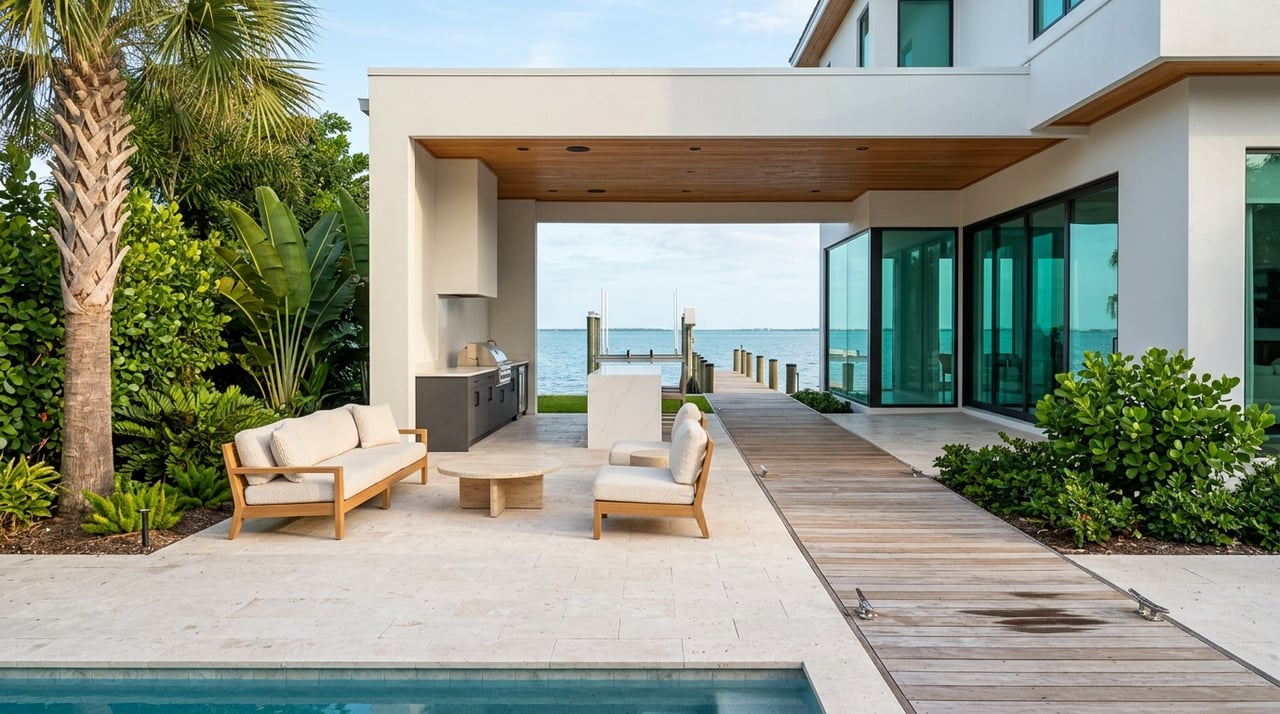
Tampa Palms is a 5,400-acre planned community with 28 villages that include estates, townhomes, and apartment homes. It also includes private parks and a junior Olympic pool. West Meadows adds amenities such as a recreation complex, pool, fitness center, sports fields, tennis and basketball courts, and ongoing corridor improvements.
Outside the urban core, places like Westchase, Brandon, and Riverview show the broader suburban pattern in Hillsborough County. Community infrastructure often includes recreation centers, walking clubs, athletic programs, camps, and nature areas. If you want daily life to revolve more around home, neighborhood amenities, and outdoor space, suburban Tampa may be the better match.
Housing styles and lot sizes
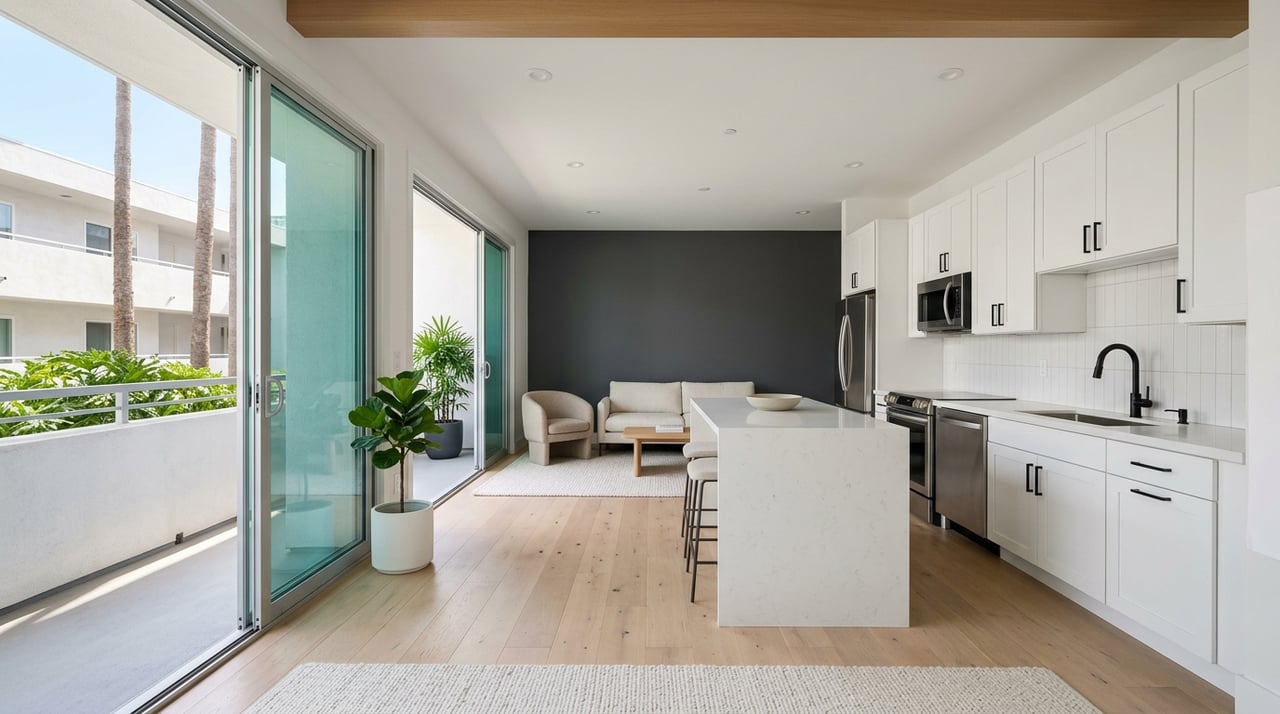
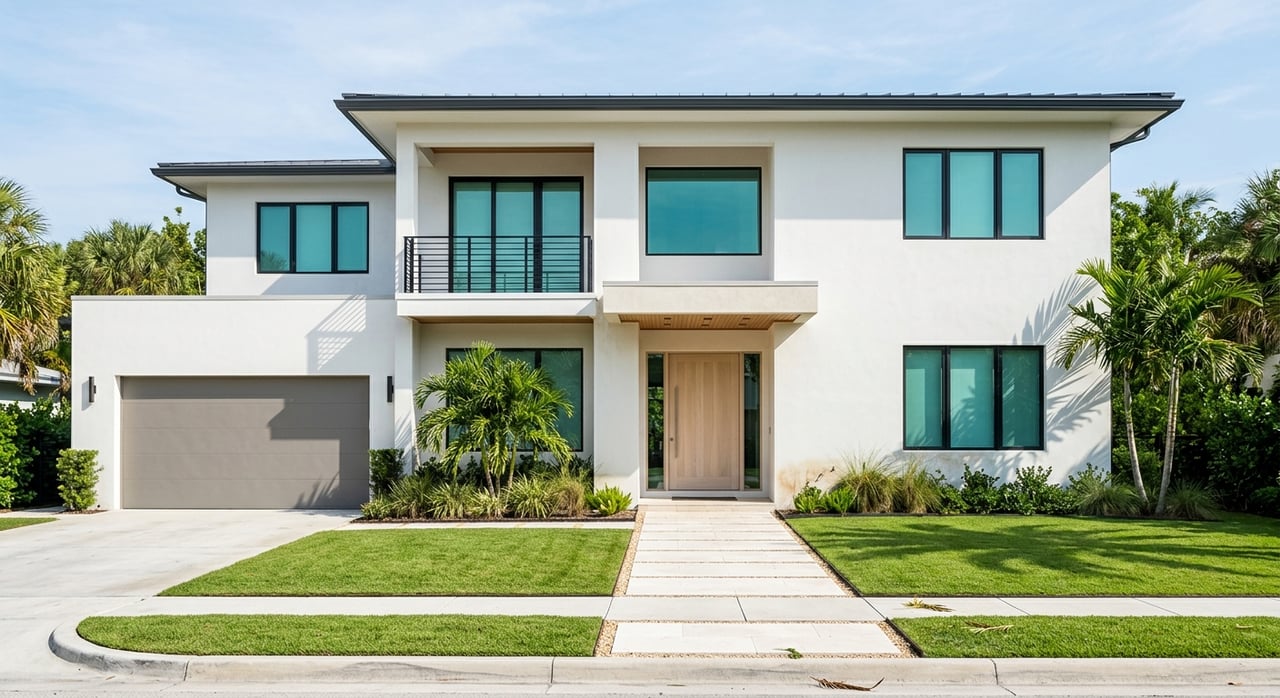
One of the biggest differences between urban and suburban Tampa is the type of home you are most likely to find. Urban neighborhoods tend to skew toward condos, townhomes, and historic single-family homes on tighter lots. Suburban areas more often offer detached homes, garages, and larger outdoor areas, though townhomes are common there too.
In the urban market, a Bayshore condo example showed 1,115 square feet with no lot, while Hyde Park listings showed much smaller lot footprints than many suburban detached homes. In Seminole Heights, a renovated bungalow sold on a 7,980-square-foot lot, which is a reminder that urban Tampa still includes single-family options with yard space.
In suburban areas, lot sizes can vary more than buyers expect. Westchase examples included a townhome on an 867-square-foot lot, another townhome on a 2,522-square-foot lot with a 2-car garage, and a detached home on a 6,160-square-foot lot with a pool and pond views. In other words, suburban does not always mean large lot, and urban does not always mean condo.
Commute and transportation options
Transportation is where the urban and suburban split becomes especially clear. Downtown Tampa offers more non-driving options than most parts of the region. Residents can use the TECO Line Streetcar, Pirate Water Taxi, HART, Cross Bay Ferry, Amtrak, and nearby access to Tampa International Airport.
The TECO Line Streetcar is a 2.7-mile fixed-guideway system with free fares and 15-minute service connecting downtown Tampa, Channelside, and Ybor City. The city also highlights Complete Streets and Walk-Bike planning that links key employment and activity centers such as USF, Downtown, and Westshore.
Suburban Tampa is usually more car-dependent in practice. Communities such as Tampa Palms sit near I-75, and regional travel often depends on major routes like I-275 and I-4. Hillsborough County reports a mean commute to work of 28.8 minutes, so if commute time matters to you, it is worth looking closely at job location, traffic patterns, and highway access before choosing a neighborhood.
Lifestyle and daily routine
Your ideal day can tell you a lot about whether urban or suburban Tampa is a better fit. If you like the idea of being closer to waterfront paths, restaurants, entertainment, museums, and events, urban Tampa may align more naturally with how you want to live.
Downtown Tampa and nearby urban neighborhoods make it easier to build routines around going out, walking to destinations, and enjoying a more active streetscape. Ybor City, for example, functions today as a shopping, dining, and entertainment district, while Hyde Park blends historic housing with a village-style commercial area and Bayshore access.
Suburban Tampa tends to support a different rhythm. You may spend more time at home, using neighborhood amenities, driving to errands, or enjoying a yard, pool, or recreation center. Communities like West Meadows and Westchase appeal to buyers who want built-in amenities and a more residential setting without giving up access to the larger Tampa area.
Price points are not always what you expect
A common assumption is that urban living always costs more and suburban living is always more affordable. In Tampa, that is not always true. Price depends heavily on the specific neighborhood, housing type, and property features.
For example, the Hyde Park Historic District posted a median sale price of $590K over the three months ending March 2026. By comparison, current suburban price snapshots cited Westchase at $536,233, New Tampa at $480K, and Tampa Palms at a median list price of $477,467.
That overlap matters if you are weighing value. Some urban neighborhoods command premium pricing because of location and character, while others, such as parts of Seminole Heights, may offer a more accessible urban entry point. Tampa city’s median sale price was reported at $451K over the three months ending April 2026, which can serve as a broad reference point, but neighborhood-level data is what really shapes your options.
How to choose the right fit
If you are deciding between urban and suburban Tampa, start with how you want to live day to day. The best choice usually comes down to your habits, housing priorities, and commute needs rather than a simple price comparison.
Urban Tampa may be the better fit if you want:
- More walkability and access to destinations
- Easier access to transit options
- Condo or townhome living
- Historic character in neighborhoods like Hyde Park or Seminole Heights
- A lifestyle tied to dining, waterfront spaces, and entertainment
Suburban Tampa may be the better fit if you want:
- More square footage
- A garage or more storage
- A yard or private outdoor space
- Community amenities like pools, sports courts, and recreation centers
- A more car-oriented residential setting
The good news is Tampa offers both, and the lines are not always rigid. You can find urban neighborhoods with historic single-family homes and suburban communities with townhomes and compact lots. That is why a neighborhood-by-neighborhood approach is often the smartest way to narrow your search.
Whether you are comparing condos near the urban core or looking for more space in a suburban community, having the right local perspective can make the process much easier. If you want help weighing Tampa neighborhoods, commute patterns, and housing options, connect with Ali Schaaff for personalized guidance across the greater Tampa Bay area.
FAQs
Is downtown Tampa practical for daily living without a car?
- It is more practical than most suburban areas because downtown has the TECO Line Streetcar, HART, Pirate Water Taxi, Cross Bay Ferry, and Amtrak, though many residents still drive.
Do urban Tampa neighborhoods only have condos and townhomes?
- No. Urban Tampa often includes condos and townhomes, but neighborhoods like Hyde Park, Seminole Heights, North Hyde Park, and Old West Tampa also include historic single-family homes.
Are suburban Tampa homes always larger than urban homes?
- Not always. Suburban communities usually offer more detached homes and outdoor space, but lot sizes and home types vary widely, and some suburban neighborhoods include compact townhomes.
Is suburban Tampa always more affordable than urban Tampa?
- No. Tampa pricing does not divide neatly by urban versus suburban location. Some urban neighborhoods, like Hyde Park Historic District, can be more expensive than many suburban areas, while some urban options may be more accessible.
What should you compare when choosing between urban and suburban Tampa?
- Focus on commute patterns, transportation options, housing type, lot size, daily lifestyle, and neighborhood amenities before making your decision.