Selling a waterfront home in Safety Harbor is not the same as selling any other property. Buyers are not just comparing square footage or finishes. They are weighing views, dock access, shoreline improvements, seasonality, and how confidently they can step into ownership. If you want to stand out in a limited but competitive niche, your marketing has to do more than look good. It has to tell the full value story clearly and early. Let’s dive in.
Why waterfront marketing needs strategy
Safety Harbor’s waterfront appeal is closely tied to Tampa Bay, with local landmarks like Waterfront Park and Veterans Memorial Park & Marina reinforcing the city’s connection to the water. At the same time, the market still rewards smart positioning over assumptions. As of April 2026, Safety Harbor had 145 homes for sale, with a median listing price of $572,450, a median sold price of $597,500, and a median 64 days on market.
Waterfront inventory is even tighter, which can make sellers assume demand alone will do the work. A separate waterfront tracker showed just 13 waterfront homes for sale, with a median listing price of $610,000 and about 69 days on market. That kind of scarcity matters, but it does not replace sharp pricing, strong presentation, and complete documentation.
Pinellas County’s March 2026 market report helps explain why. The county posted a median sale price of $456,000, 3.8 months of inventory, and sellers received a median 94.7% of original list price. In other words, even in a desirable coastal area, buyers are still paying attention to value.
What buyers pay for on the water
With waterfront homes, price is usually driven by the amenity package more than by size alone. Buyers often place the most value on features they cannot easily recreate, such as open bay views, sunset exposure, privacy, usable dockage, and the condition of shoreline improvements. That is why two homes with similar interior square footage can attract very different levels of interest.
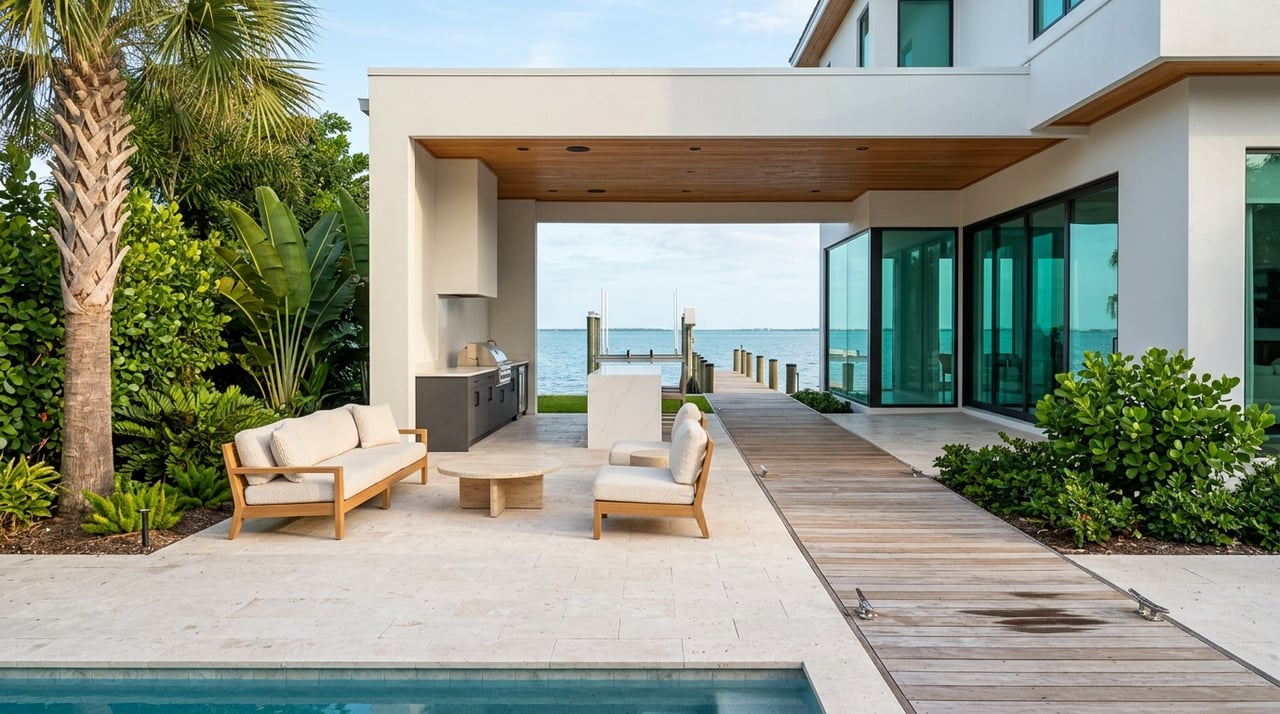
In Safety Harbor, your marketing should focus on how the property lives on the water. That may include dock setup, boat-lift capacity, seawall condition, shoreline usability, and the orientation of the home to the bay. These details help buyers understand not just what the home is, but what ownership would feel like.
That also means cosmetic marketing is not enough. If a home has marine improvements, buyers want to know whether those features were permitted, maintained, and ready for continued use. Clear answers can support confidence and help justify your asking price.
Waterfront features that strengthen value
When your listing strategy is built around the right details, buyers can connect the dots faster. Important value drivers often include:
- Unobstructed water views
- Sunset exposure
- Private or functional dock access
- Boat-lift capacity
- Seawall or riprap condition
- Shoreline usability
- Privacy from neighboring homes or public activity
- Evidence of permitted and maintained marine improvements
Why permits matter in a waterfront sale
For waterfront homes in Pinellas County, permits are part of the marketing story. The county requires permits for docks, seawalls, riprap, tie poles, and dredge or fill work, and applications are handled through the county’s Access Portal. The county also advises Safety Harbor owners to confirm whether the city requires a preapproval letter.
That matters because buyers are not only evaluating appearance. They are also looking for signs that major waterfront features were properly reviewed and documented. A well-organized permit history can reduce uncertainty and make a listing feel more complete.
Pinellas County also notes that residential permits help ensure improvements are safe, code-compliant, and properly documented. Its floodplain notice adds that completed permits can make a home more marketable because the paperwork is already in place for a future sale. For sellers, that is a practical reminder that preparation can directly affect buyer confidence.
Build a strong pre-listing seller packet
A waterfront home usually needs more documentation than a typical resale. Before your listing goes live, it helps to gather records that answer likely buyer questions upfront. This can save time during negotiations and reduce delays once a serious buyer steps forward.
A strong seller packet may include:
- Survey and lot lines
- Any elevation certificate
- Final permit sign-offs for dock, seawall, deck, pool, or additions
- Flood and wind insurance information
- Repair receipts and maintenance logs
- HOA or condo documents, if applicable
- Floodplain repair permits, if relevant
- Plat documents or other site records
This kind of preparation supports the bigger message buyers want to hear: the property is not only attractive, but also ready for confident ownership. That is especially important with waterfront homes, where improvements outside the four walls can carry just as much weight as the kitchen or primary suite.
Timing your launch in Safety Harbor
When you list can shape how your home is received. Florida Realtors reported that, in ATTOM’s 2015 to 2024 analysis, May, February, and April delivered the highest seller premiums nationally. While each local market behaves differently, spring still stands out as an important season to be ready.
Pinellas County’s own reporting also notes that closed sales and other measures are affected by seasonal cycles and are better interpreted year over year instead of month to month. For Safety Harbor sellers, the practical takeaway is simple: if you want to launch strong, do your prep before the busiest spring window instead of rushing to market later.
Waterfront timing also has a weather component that inland listings do not face in the same way. NOAA’s hurricane climatology shows that the Atlantic season runs from June 1 through November 30, with peak activity around September 10 and most activity between mid-August and mid-October. That makes late summer and early fall a more weather-sensitive period, especially when your home’s appeal depends on dock use, outdoor living, and clear views.
Best timing strategy for waterfront sellers
If you are planning ahead, a smart timeline often looks like this:
- Gather documents and permits in winter or early spring.
- Complete repairs, staging, and visual prep before peak listing season.
- Schedule photography and video while outdoor spaces show well.
- Launch before late-summer weather risk becomes a bigger factor.
Digital presentation drives real interest
Today’s buyers often meet your home online before they ever step inside. According to NAR data, 52% of buyers found the home they purchased online, and nearly half started their search there. That means your online presentation is not a side detail. It is the first showing.
The same research found that 81% of buyers rated listing photos as the most useful online feature. Buyers who used the internet also said photos, detailed listing information, floor plans, and virtual tours were among the most useful website features. For waterfront sellers, that reinforces a simple truth: premium homes need premium presentation.
Video matters too. NAR reported that 38% of buyers used an online video site during their search. That is especially important for relocation buyers and second-home shoppers, who may be narrowing options from out of market.
What great waterfront marketing should include
A strategic waterfront campaign should lead with the water story. The first image should immediately communicate what makes the property special, whether that is a bay view, a private dock, or a dramatic sunset backdrop. After that, the visual sequence should help buyers understand both the lifestyle and the layout.
The strongest package usually includes:
- A lead photo that highlights the waterfront setting
- Dock and shoreline photography
- Exterior images from multiple angles
- Twilight photography when appropriate
- Interior images that connect living spaces to the view
- A floor plan
- Video or a virtual walkthrough
NAR’s staging report adds another useful layer. It found that 83% of buyers’ agents said staging makes it easier for buyers to visualize a property as their future home. Buyers’ agents also rated photos, traditional staging, videos, and virtual tours as important or very important to clients.
For a waterfront listing, that means your marketing should feel polished, complete, and consistent. Buyers who are impressed online expect the in-person showing to match what they saw. Strong strategy helps make that happen.
Pricing still matters in a scarce niche
It is easy to assume that limited waterfront inventory guarantees top-dollar results. But scarcity alone does not set the right price. Buyers still compare condition, location, features, and documentation, and countywide data shows sellers are not automatically getting full original asking price.
That is why pricing should reflect both the broader Safety Harbor market and the specific strengths of your home. The view, dock setup, waterfront usability, and permit history may support a premium, but that premium has to be communicated clearly. Strategic marketing and strategic pricing work best together, not separately.
Why local execution makes the difference
Selling a waterfront home is part pricing exercise, part storytelling exercise, and part document-management exercise. You need a plan that highlights what makes your property rare while also answering the practical questions serious buyers will ask. That takes local knowledge, organized preparation, and digital marketing that does the home justice.
In Safety Harbor, waterfront buyers are often looking for more than a house. They are looking for a property that feels easy to understand, easy to trust, and worth acting on. When your listing is timed well, presented beautifully, and backed by the right documentation, you give them every reason to move forward.
If you are thinking about selling a waterfront home in Safety Harbor, Ali Schaaff offers local expertise, hands-on guidance, and elevated digital marketing to help you position your property with confidence.
FAQs
What makes Safety Harbor waterfront homes different to market?
- Safety Harbor waterfront homes often require a more detailed strategy because buyers look closely at views, dock access, seawall condition, shoreline usability, and permit history, not just interior features.
When is the best time to list a waterfront home in Safety Harbor?
- Spring is often a smart time to launch because seller premiums tend to be stronger in late winter and spring, while late summer and early fall can bring more weather-related uncertainty during hurricane season.
What documents should sellers prepare for a Safety Harbor waterfront listing?
- Sellers should consider gathering surveys, elevation certificates, permit sign-offs, insurance information, repair receipts, maintenance logs, and any HOA or condo documents that apply.
Why are permits important for Pinellas County waterfront homes?
- In Pinellas County, permits for docks, seawalls, riprap, tie poles, and dredge or fill work help show that improvements were properly reviewed and documented, which can increase buyer confidence.
What marketing materials help sell a waterfront home faster?
- High-quality listing photos, waterfront-focused exterior shots, dock and shoreline images, floor plans, video, virtual walkthroughs, and thoughtful staging can all help buyers understand the home and its setting more clearly.