Dreaming about waking up steps from white sand and Gulf views? Owning a condo on Clearwater Beach can deliver that postcard lifestyle, but it also comes with real tradeoffs that matter long after closing day. If you are weighing the appeal of beach access, rental potential, and resort-style amenities against dues, rules, insurance, and everyday logistics, this guide will help you look at the full picture. Let’s dive in.
Clearwater Beach Lifestyle
Clearwater Beach is not a sleepy stretch of shoreline tucked away from the world. It sits on a barrier island west of downtown Clearwater and is reached from the mainland by Memorial Causeway, with access from Tampa International Airport and St. Pete-Clearwater International Airport by major local routes.
That accessibility is part of the appeal. Official visitor information describes Clearwater Beach as lively year-round, with beachfront resorts, restaurants, watersports, and sunset activity around Pier 60. If you want an energetic coastal setting with easy access to dining and entertainment, that can be a major plus.
What daily life feels like
The city says Clearwater Beach is open 24/7, has lifeguards seven days a week from 10 a.m. to 5 p.m., includes about 3 miles of beach, and is cleaned 365 days a year. In practical terms, that creates a polished, well-maintained environment that feels more like a resort corridor than a quiet residential beach.
For some buyers, that is exactly the point. You are buying into a destination with built-in activity, public spaces, and a strong identity that people immediately recognize.
The tradeoff of a visitor-heavy beach
That same destination energy can also be the friction point. Clearwater Beach draws heavy visitor traffic, especially in winter and spring, so your everyday routine may include more crowds, more activity near public access points, and a generally busier atmosphere than inland condo markets.
If you picture beach living as peaceful and low-key at all hours, it is important to calibrate expectations. Clearwater Beach offers convenience and energy, but it is not marketed by the city or tourism officials as an isolated residential shoreline.
Beach Rules Shape Ownership
A condo near the sand does not mean anything goes on the beach. Clearwater has clear public-beach rules, and those rules affect your experience as an owner as much as they affect visitors.
The city bans alcohol, smoking, pets in the public bathing area, fires, and camping on the beach. So while the beach is highly accessible, it is also a regulated environment with structure and enforcement.
Why this matters to buyers
Some owners appreciate that level of order because it supports a cleaner, more predictable beach setting. Others may prefer a less regulated coastal environment.
Neither view is right or wrong. The key is knowing which type of beach lifestyle fits you before you buy.
Condo Fees And Building Health
On Clearwater Beach, the condo decision should go far beyond the view, floor plan, or amenity list. Florida condo reform has made building condition, reserves, and inspection history a central part of due diligence, especially for coastal buildings.
Under current Florida statutes, buildings that are three habitable stories or more must complete milestone inspections at age 30 and every 10 years after that. Local enforcement can require those inspections at age 25 when local conditions, including proximity to salt water, justify earlier review.
Why older beach buildings need closer review
Associations that existed on or before July 1, 2022 and were controlled by unit owners had to complete structural integrity reserve studies by December 31, 2025 for each qualifying building. Associations must also provide the inspector-prepared summary to unit owners within 45 days of receiving it.
For you as a buyer, that means the due-diligence package should include more than standard association documents. On a barrier island, the building’s financial and structural picture matters just as much as the unit itself.
Documents worth reviewing early
Before you commit to a Clearwater Beach condo, ask for and review:
- Declaration, bylaws, and rules
- Current budget and reserve schedule
- Milestone inspection summary
- Structural integrity reserve study
- Master insurance policy
- History of special assessments or known capital projects
These records can help you understand whether monthly dues reflect strong planning or whether future costs may still be coming.
What dues may really be telling you
Higher HOA dues are not automatically a red flag. In some buildings, they may reflect stronger reserves, more complete maintenance, or a broader amenity package.
At the same time, older buildings with deferred maintenance or thin reserves may face higher dues or special assessments as associations fund repairs and reserve obligations. That does not happen in every building, but it is an important possibility to evaluate before you buy.
Amenities Versus Real Value
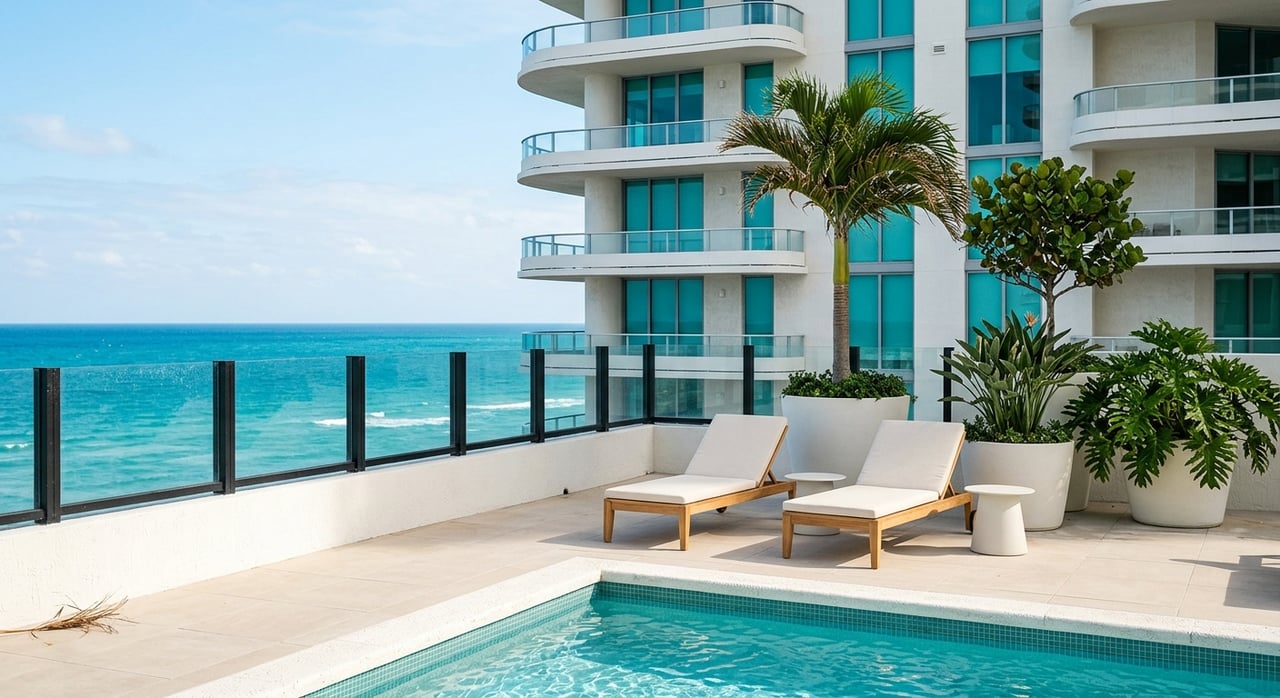
Amenities can make beach condo living feel easy and enjoyable. Pools, fitness rooms, storage, guest parking, elevator service, security features, and professional management all add convenience.
But on Clearwater Beach, the smarter question is not just what a building offers. It is whether the amenity package makes sense relative to the monthly HOA bill and the association’s reserve health.
A better way to compare condos
When you compare buildings, try looking at amenities through a fee-to-value lens:
- How often would you use the pool or fitness space?
- Does the building offer storage that helps with beach gear?
- Is guest parking practical for how you live?
- Does elevator access matter for your floor or lifestyle?
- Are dues supported by healthy reserves and responsible planning?
This approach helps you focus on long-term fit instead of just a flashy feature list.
Insurance Costs And Exposure
Insurance is another major part of the ownership equation on Clearwater Beach. Many buyers assume the association’s master policy covers everything, but that is not how condo coverage typically works in Florida.
The Florida consumer guide says unit owners usually need an HO-6 policy in addition to the association’s master policy. The guide explains that the HO-6 policy covers personal property and certain building items not insured by the association.
What the association may not cover
According to the same Florida guide, the association’s master policy may not cover items such as:
- Personal property
- Floor, wall, and ceiling coverings
- Electrical fixtures
- Appliances
- Water heaters
- Built-in cabinets and countertops
- Window treatments
The guide also says the unit-owner policy must provide at least $2,000 of loss-assessment coverage. That matters because association-related losses can still affect your finances.
Flood and hurricane planning
Flood insurance is generally a separate decision. Florida’s flood-insurance overview says building and contents coverage are purchased separately under the National Flood Insurance Program, and flood policies generally have a 30-day waiting period.
Florida’s insurance department also notes that policies may include a separate hurricane deductible, often stated as a flat amount or as 2 percent, 5 percent, or 10 percent of the dwelling limit, depending on the policy. Florida hurricane season runs from June 1 through November 30, and new or additional coverage cannot be bound when a tropical storm or hurricane watch or warning is in effect anywhere in Florida.
For buyers, the takeaway is simple: do not treat insurance as an afterthought. On a beach condo, it is part of the affordability conversation.
Rental Potential And Limits
Many buyers are drawn to Clearwater Beach because of its visibility and visitor demand. Pinellas County tourism data estimated 15.4 million visitors in FY2024, with $11.2 billion in total economic impact, plus roughly 1.8 million vacation-rental and home-share visitors generating nearly $2.0 billion in direct spending.
That level of demand can make rental use sound especially attractive. But demand alone does not determine whether your condo is a good fit for an investment strategy.
Clearwater rental rules matter
Clearwater’s code is strict in residential districts. The city says residential property owners cannot lease or rent for periods shorter than 31 days or one calendar month, and they cannot advertise daily or weekly rentals.
The city also requires a Business Tax Receipt for residential rentals, along with a local contact or representative who has a current local address and a working phone number in the region. If rental income is part of your plan, these details deserve close attention.
Taxes and building rules matter too
Florida’s Department of Revenue says transient rental taxes apply to accommodations in condos and other lodging for terms of six months or less. Pinellas County also has a local tourism tax structure that affects short-term accommodations.
Just as important, city rules are only one layer. An individual condo association may have its own leasing restrictions, so a building on Clearwater Beach can still be a poor fit for your rental goals if the HOA rules do not line up with your plan.
Parking And Seasonality
Parking may sound like a small issue until you live with it every week. On Clearwater Beach, it is one of the biggest practical tradeoffs owners should understand.
The city says beach parking is enforced every day. On-street parking costs $3.50 per hour with a 5-hour limit, and no public parking is allowed north of the Acacia Roundabout. Qualified residents may receive a 50 percent discount through ParkMobile.
Why busy seasons feel different here
County visitor reports show roughly 4.1 million visitors in both Q1 and Q2 of 2024. That means winter and spring are not especially quiet shoulder seasons in the way they might be in other coastal areas.
For owners, that can mean more crowding, more demand for parking, and more activity around restaurants and beach access points for much of the year. The upside is that the city also keeps the beach operational and maintained through that heavy use, with daily cleaning and regular lifeguard coverage.
Is A Clearwater Beach Condo Right For You?
A condo on Clearwater Beach can be a great match if you want direct access to a highly active coastal lifestyle, enjoy the energy of a well-known beach destination, and are comfortable evaluating fees, insurance, rules, and building financials with care.
It may be a less natural fit if your priority is a quieter day-to-day setting, simpler ownership costs, or maximum flexibility for rental use. The right choice comes down to how you weigh the lifestyle premium against the financial and practical realities.
If you are thinking about buying or selling a condo on Clearwater Beach, working with someone who knows Pinellas coastal properties can help you sort through the details that matter most. When you are ready for local guidance, reach out to Ali Schaaff for thoughtful, hands-on support tailored to your goals.
FAQs
What is daily condo life like on Clearwater Beach?
- Clearwater Beach offers a lively, resort-style setting with beach access, restaurants, watersports, and public sunset activity, but it also tends to be busier and more visitor-heavy than quieter coastal areas.
What condo documents should buyers review on Clearwater Beach?
- Buyers should review the declaration, bylaws, rules, current budget, reserve schedule, milestone inspection summary, structural integrity reserve study, master insurance policy, and any history of special assessments or capital projects.
What insurance do condo owners need in Clearwater Beach, Florida?
- Florida condo owners usually need an HO-6 policy in addition to the association’s master policy, and buyers should also ask about flood coverage options and hurricane deductibles.
Can you rent out a Clearwater Beach condo short term?
- In Clearwater residential districts, the city says owners cannot lease or rent for periods shorter than 31 days or one calendar month, and association rules may be even more restrictive.
Is parking difficult for condo owners on Clearwater Beach?
- Parking can be one of the biggest everyday tradeoffs because beach parking is enforced daily, on-street parking has hourly pricing and time limits, and busy visitor seasons can add more competition for space.