What if the best part of living in Clearwater is everything that happens after you leave the sand? If you are considering a move here, it helps to know what daily life looks like beyond vacation photos and beach-day headlines. Clearwater offers a broader coastal lifestyle built around parks, trails, downtown events, marinas, and a mix of neighborhood settings, and that everyday rhythm can matter just as much as Gulf access. Let’s dive in.
Clearwater Feels Bigger Than the Beach
Clearwater’s day-to-day character is shaped by more than its shoreline. City planning materials describe downtown as the city’s urban core and the heart of Clearwater, while the local trail system is meant to connect parks, neighborhoods, and commercial and residential destinations.
That means your routine can include bayfront walks, errands near downtown, neighborhood park time, and a mix of driving, biking, walking, and transit. For a mid-sized coastal city, Clearwater offers a practical, connected feel that supports real life, not just weekend fun.
The city’s July 2025 population estimate was 114,364, and the average commute was 22.7 minutes. Residents also have access to transportation options like Jolley Trolley, Clearwater Ferry, and PSTA, which adds flexibility depending on where you live and where you are headed.
Downtown Adds Everyday Energy
If you picture Clearwater as only beach-oriented, downtown may surprise you. This area functions as a regular gathering place for residents, with civic space, waterfront access, and recurring events that create activity throughout the year.
Coachman Park is a big part of that daily energy. The 19-acre park sits beside the Clearwater Main Library and Clearwater Harbor Marina and includes green space, walking trails, a playground, a splash pad, and the BayCare Sound venue.
What makes Coachman Park especially important for everyday living is its steady programming. The city’s current park and event pages show recurring offerings like free sunset yoga, markets, concerts, and festivals, which helps make the park feel woven into local life.
Downtown Cleveland Street also supports that rhythm. Dining and event listings point to food-and-music gatherings such as Fresh Start Market, Taste of Clearwater, and salsa nights on Cleveland Street, giving residents more reasons to spend time downtown outside of work or errands.
Parks and Trails Shape Daily Routine
One of Clearwater’s strongest lifestyle features is how many outdoor options exist away from the beachfront. If you like to stay active or simply want easy access to green space, the city offers a wide range of parks and trail connections.
Moccasin Lake Nature Park is a 54-acre preserve with trails, boardwalks, wildlife, and classes. It offers a more natural setting for people who want quiet walks and a break from the busier parts of town.
Lake Chautauqua Park gives you both paved and natural trails in a more secluded setting. Countryside Community Park adds fields, playground equipment, exercise stations, and direct access to the Duke Energy Trail.
Bay Park on Sand Key offers another everyday option with a small beach-access park, tennis, pickleball, and free parking. Together, these spaces show that outdoor living in Clearwater includes neighborhood recreation, exercise, and nature access, not just time on the sand.
The trail network ties many of these experiences together. According to the city, the Ream Wilson Clearwater Trail, Courtney Campbell Trail, Pinellas Trail, Duke Energy Trail, and Bayshore Trail connect recreation areas with homes and errands, and they are open during daylight hours for walking, jogging, skating, and cycling.
Dining and Social Life Stay Local
Clearwater’s food scene is also broader than many buyers expect. City and tourism sources point to downtown Cleveland Street, waterfront restaurants, and Gulf Coast seafood as important parts of the local dining mix.
If you spend enough time here, you will also hear about the grouper sandwich. It is singled out as a local favorite and speaks to the way Clearwater’s coastal identity shows up in everyday meals, not only special occasions.
Just as important, the social side of dining feels ongoing rather than seasonal. With regular food events, music gatherings, and downtown activity, Clearwater offers a community rhythm that can make it easier to settle in and find your go-to places.
Boating Is Part of Normal Life
In Clearwater, boating is not only a visitor activity. It is part of the city’s normal coastal pattern, especially for people who want regular water access without making every day feel like a resort stay.
Clearwater Harbor Marina has 126 slips and more than 1,000 feet of overnight side-tie mooring. The city’s Marine & Aviation Department also operates Clearwater Beach Marina, Island Estates Marina, public day docks, and boat ramps.
That kind of infrastructure matters if you want a lifestyle that includes boating, waterfront dining, or easy access to the bay. It also reinforces why certain neighborhoods appeal to buyers looking for a stronger connection to the water.
The Clearwater Ferry adds another practical layer. PSTA says the ferry connects Clearwater, Clearwater Beach, and Dunedin, and the city presents ferry service as a useful alternative for getting to Coachman Park and the beach.
Neighborhoods Offer Different Lifestyles
One of the most helpful things to understand before buying in Clearwater is that different areas feel very different in daily life. Some parts of the city are more urban and attached-home oriented, while others feel more residential and suburban.
Downtown Clearwater and East Gateway
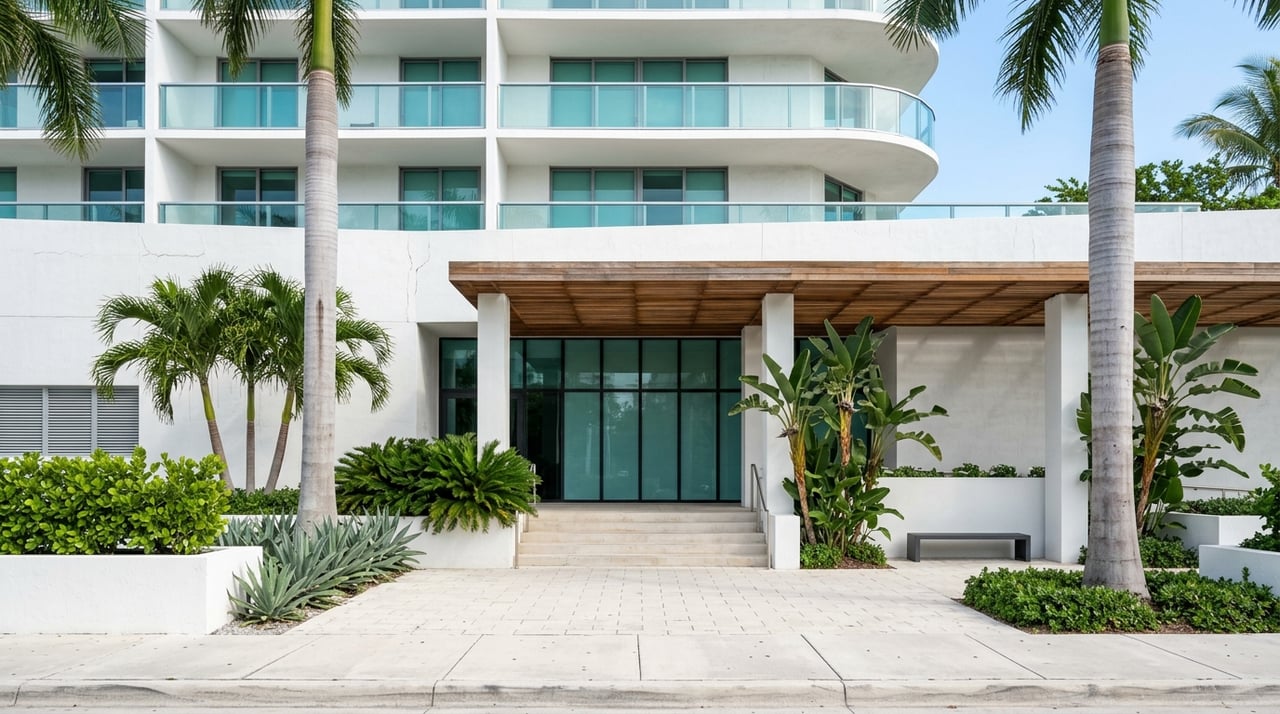
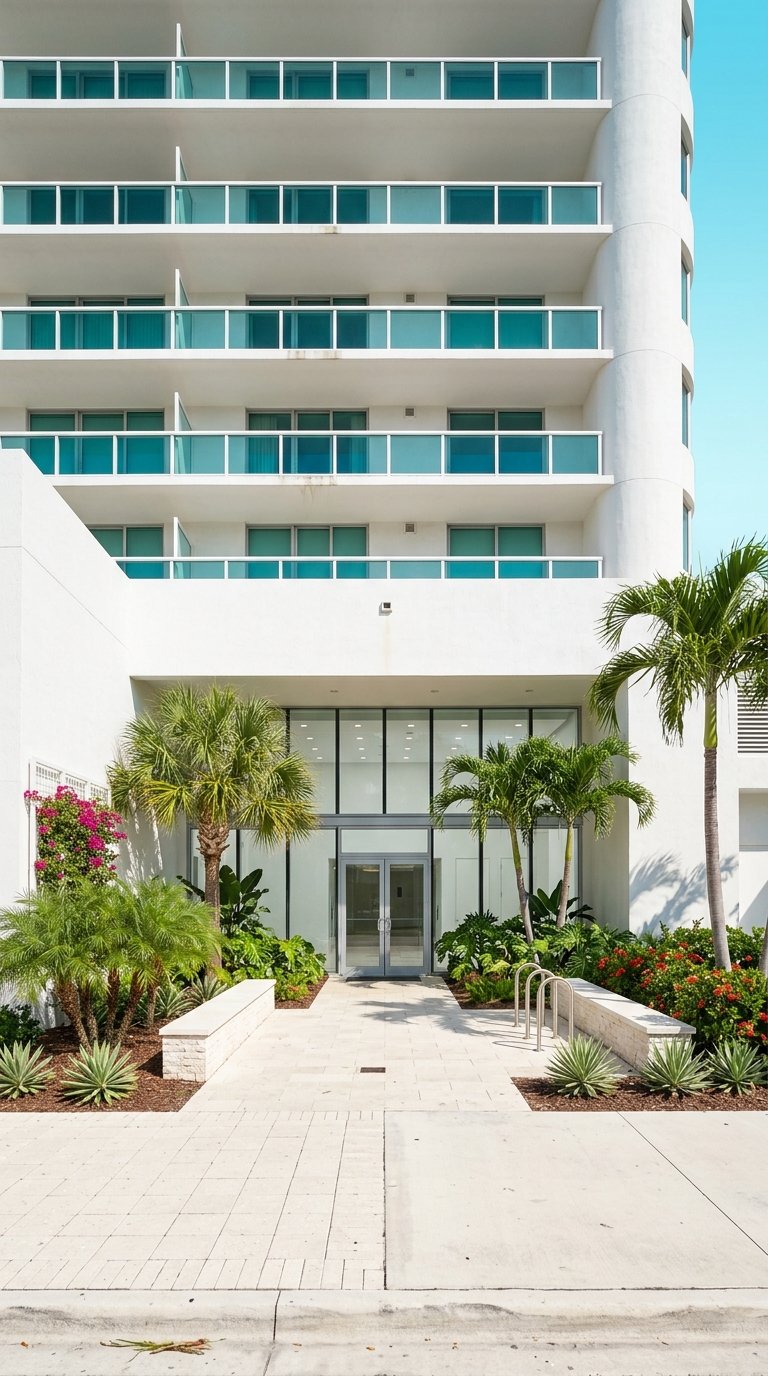
Downtown Clearwater and the East Gateway are planned as low- and medium-density residential areas supported by neighborhood commercial and professional office uses. The downtown code also allows a wide range of attached housing types, including duplexes, carriage houses, townhomes, fourplexes, multiplexes, mid-rise buildings, and high-rise buildings.
If you want a more mixed-use setting with easier access to civic spaces, events, and bayfront activity, this part of Clearwater may feel like a good fit. It tends to align with buyers looking for condos, townhomes, or a more urban coastal setting.
Clearwater Beach
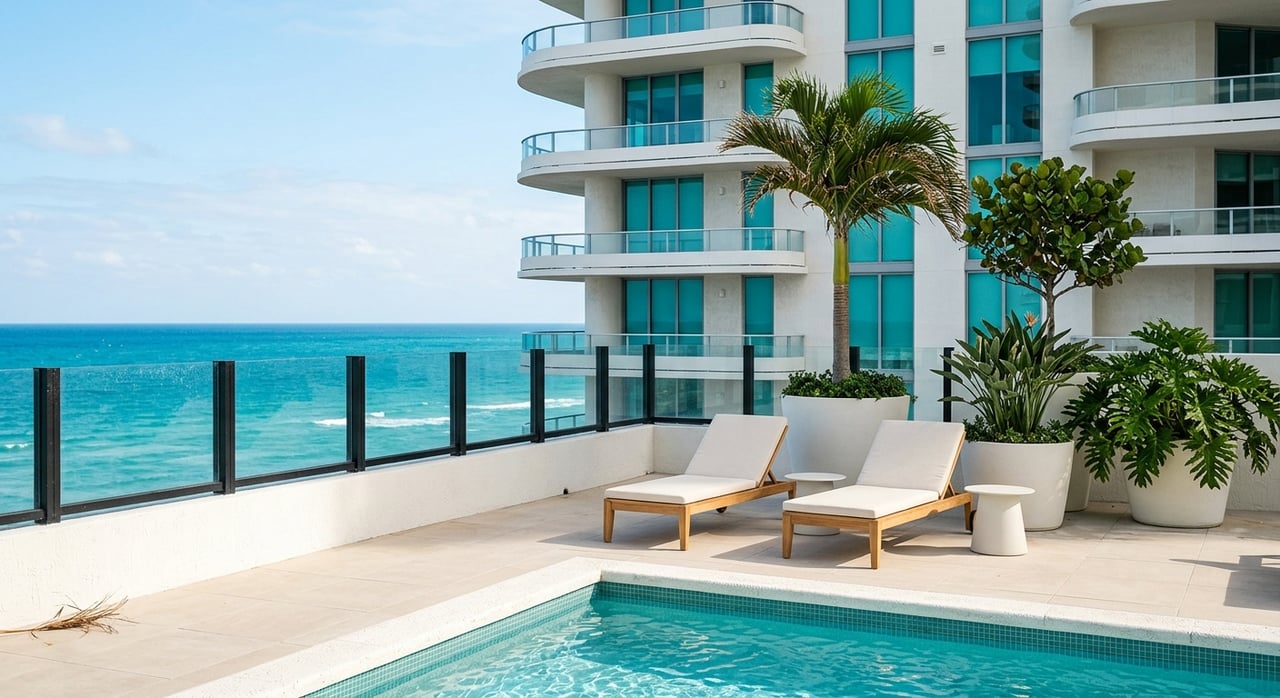
Clearwater Beach is a real neighborhood, not just a destination. The city’s Beach by Design plan says the beach is home to more than 8,000 families, and its district framework emphasizes attached dwellings, resort residential uses, and, on Brightwater Drive, new townhomes and timeshares.
That gives the beach area a denser and more vertical housing feel than some people expect. If you are drawn to a walkable coastal setting with attached housing options, this area offers a distinct lifestyle compared with inland neighborhoods.
Island Estates
Island Estates stands out as a waterfront residential area with a more self-contained feel. City planning materials note that most of the neighborhood is residential land use ranging from large single-family homes to multi-story, multi-unit condominiums, with single-family homes as the dominant use.
The neighborhood plan also notes a shopping center, grocery store, restaurant, marina, and some townhouse units. For buyers who want a boat-friendly environment and a strong residential identity near the water, Island Estates often feels different from both downtown and the beach.
Inland Clearwater Neighborhoods
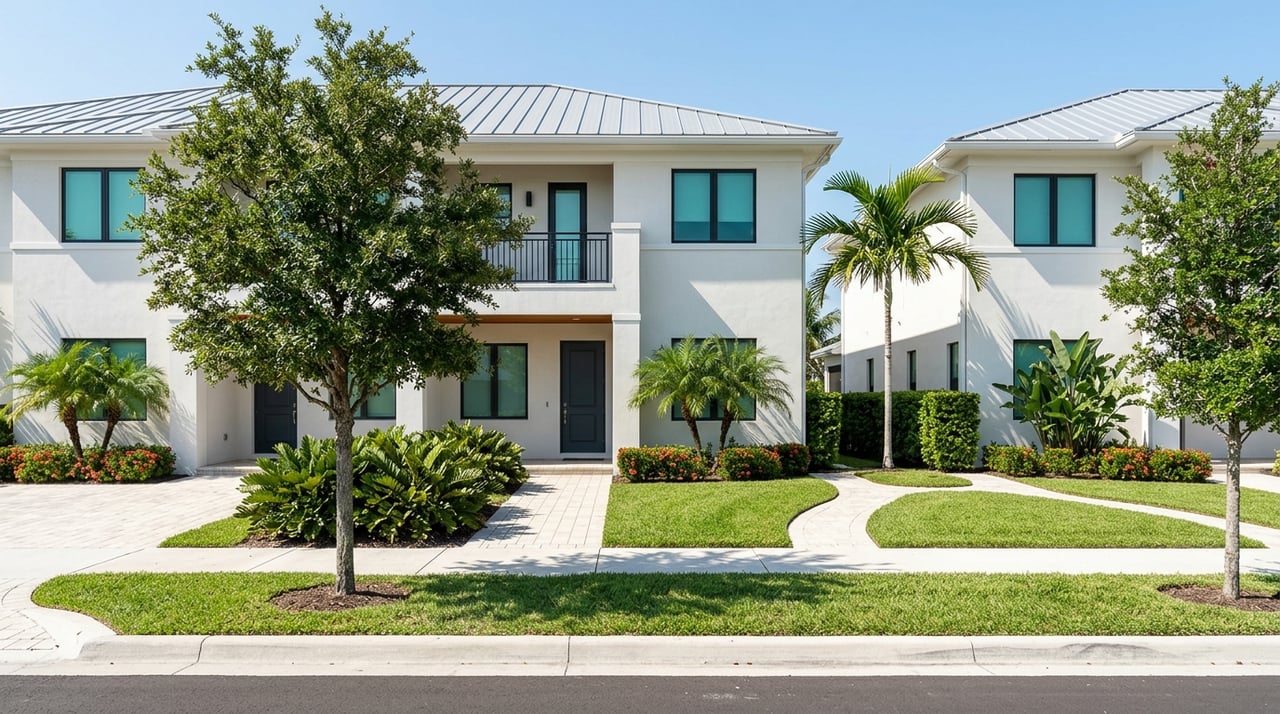
Inland areas can feel more like classic suburban Clearwater. Coachman Ridge, for example, is built entirely around single-family dwellings, with low-density and low-medium-density zoning and a residential-suburban future land use pattern in part of the area.
If your priority is a quieter residential environment, inland neighborhoods may offer the feel you want. These areas can appeal to buyers looking for single-family homes, neighborhood parks, and easier daily routines centered on work, home, and recreation.
What the Housing Mix Tells You
The housing mix in Clearwater supports a wide range of buyer goals. Whether you are considering a condo, townhome, single-family home, or waterfront property, the city offers settings that align with different budgets and lifestyle preferences.
Citywide housing data helps frame the market at a broad level. In the 2020-2024 ACS, Clearwater’s owner-occupied housing unit rate was 58.6%, the median owner-occupied value was $361,300, and the median gross rent was $1,658.
Those numbers do not tell the full story of any one neighborhood, but they do show a city with a meaningful ownership base and a mix of ownership and rental housing. For buyers and sellers, that variety is part of what makes Clearwater such a layered coastal market.
Getting Around Clearwater Day to Day
Most residents get around Clearwater with a mix of driving, walking, biking, and limited transit or water transit. How that feels in practice depends a lot on your neighborhood and your routine.
If you live near downtown, trails, parks, marinas, and events may be more directly woven into your week. If you live inland, driving may play a larger role, with neighborhood parks and trail access supporting your daily routine closer to home.
This is why location matters so much in Clearwater. The city can offer an urban-coastal feel, a waterfront residential feel, or a more suburban one, all within the same broader market.
Why This Matters for Buyers and Sellers
For buyers, understanding Clearwater beyond the beach helps you choose a neighborhood that fits how you actually live. Your best match may have less to do with vacation imagery and more to do with trails, commute patterns, housing type, marina access, or how often you want to be downtown.
For sellers, this bigger lifestyle story matters in marketing. A home in Clearwater is often about more than square footage or proximity to the Gulf. It may also be about access to parks, connectivity to downtown, boating infrastructure, or the specific rhythm of a neighborhood.
That is where local guidance can make a real difference. When you understand how each area functions in daily life, it becomes easier to position a home well or narrow in on the right place to buy.
If you are thinking about buying, selling, or relocating in Clearwater or nearby Pinellas County communities, Ali Schaaff offers hands-on local guidance, responsive service, and neighborhood insight to help you make a smart move.
FAQs
What does everyday life in Clearwater look like beyond the beach?
- Everyday life in Clearwater often includes parks, trails, downtown events, marina access, local dining, and neighborhood recreation spaces in addition to beach time.
Which Clearwater areas feel more urban for homebuyers?
- Downtown Clearwater and the East Gateway generally feel more urban and mixed-use, with a wider range of attached housing types such as condos, townhomes, and mid-rise or high-rise residential buildings.
Which Clearwater neighborhoods feel more residential or suburban?
- Island Estates has a strong residential waterfront character, while inland neighborhoods like Coachman Ridge are more aligned with lower-density single-family living.
Is boating part of daily life in Clearwater?
- Yes. Clearwater includes marinas, public day docks, and boat ramps, and the ferry system adds another practical water-based transportation option.
How do residents get around Clearwater day to day?
- Residents typically use a mix of driving, walking, biking, trails, trolley service, ferry service, and PSTA transit depending on where they live and where they need to go.
What types of homes can you find in Clearwater?
- Clearwater includes condos, townhomes, attached housing, single-family homes, and waterfront residential options, with the housing mix varying significantly by neighborhood.