Thinking about buying a condo in St. Petersburg and not sure how financing works? You’re not alone. Condos have a few extra rules that can affect your loan type, down payment, interest rate, and timeline. In this guide, you’ll learn the basics of condo loans, how “warrantable” status works, what lenders review in the HOA, and smart steps to keep your purchase on track. Let’s dive in.
Why St. Pete condos are unique
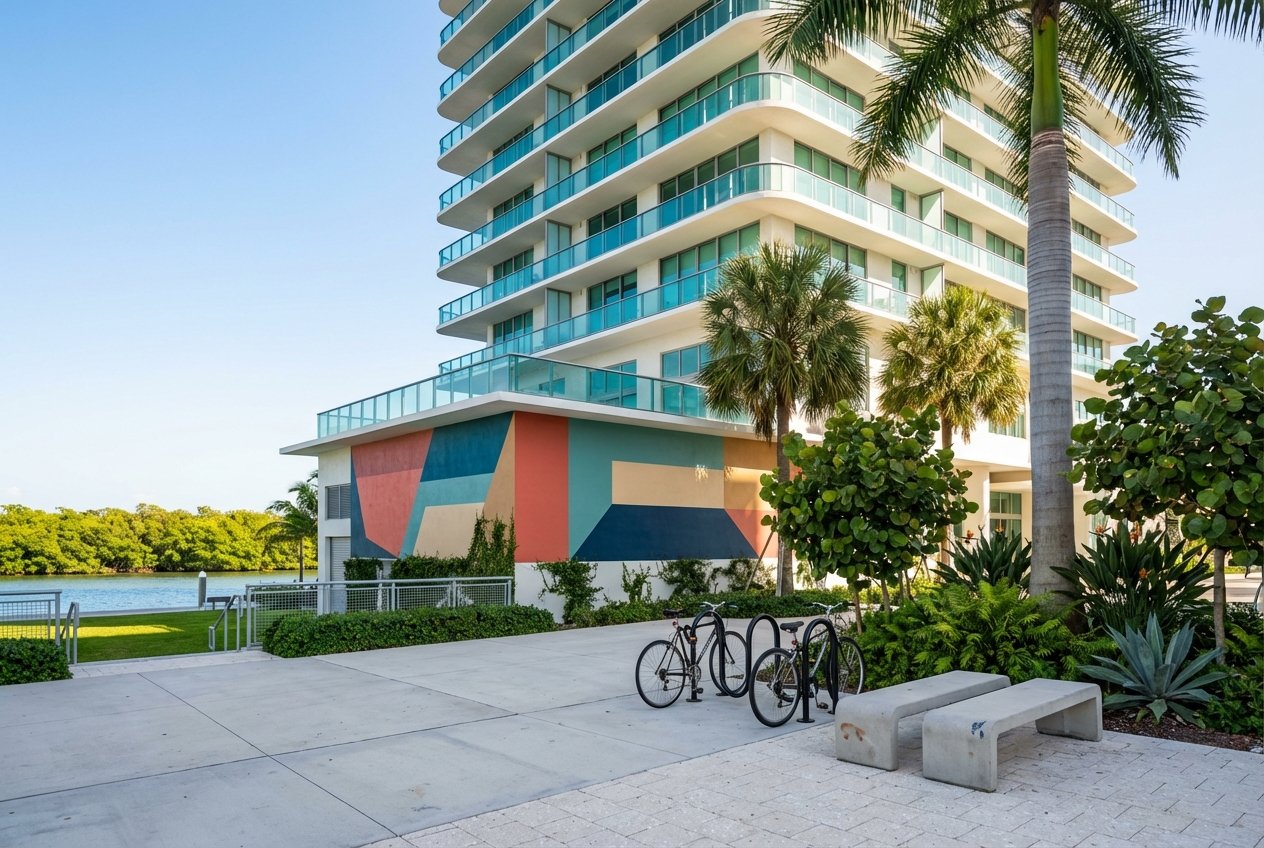
St. Petersburg has a mix of mid‑century low‑rise buildings, waterfront towers, and newer developments. Building age, coastal exposure, and HOA strength matter to lenders. After the Surfside tragedy, Florida increased oversight of multi‑story condo buildings, which means structural reports and recertification schedules get more attention.
These local realities can influence your options. Older buildings or communities with deferred maintenance may face tighter lender reviews, higher down payment needs, or limited loan programs. You can learn more about Florida’s condominium oversight through the Florida DBPR and local building and permitting resources at Pinellas County government.
Loan options and down payments
You have several paths to finance a St. Pete condo. The right fit depends on the building’s status and your budget.
- Conventional: Many buyers use conventional loans when the condo project meets agency rules. Review project requirements in Fannie Mae’s condo project guidance and Freddie Mac’s condo resources.
- FHA: Offers low down payment options for eligible borrowers when the project is FHA approved. See HUD’s FHA condominium resources.
- VA: For eligible veterans and service members when the project meets VA or lender criteria.
- Portfolio or jumbo: Used when a project is not agency eligible or the price exceeds conforming limits. Pricing and terms vary by lender.
Typical down payments vary by loan and project:
- Conventional: As low as 3% in some cases, but many lenders require 5–20% for condos based on risk.
- FHA: As low as 3.5% for eligible borrowers when the project qualifies.
- VA: 0% for eligible borrowers when the project is acceptable to the lender.
- Portfolio or non‑warrantable: Often 10–25% or more, depending on the situation.
If your loan amount is above the county limit, you may need a jumbo loan with stricter rules. Check current county limits through the FHFA’s conforming loan limits.
Warrantable vs non‑warrantable
A condo is “warrantable” when it meets standards that allow a lender to sell the loan to Fannie Mae or Freddie Mac, or when it meets program rules for FHA or VA. If the project does not meet those standards, it is typically considered non‑warrantable and financing becomes more limited.
Common factors lenders review:
- Occupancy: A healthy share of owner‑occupied units.
- Delinquencies: Low past‑due HOA dues among owners.
- Reserves: Adequate reserve funding or a recent reserve study. Many lenders look for strong reserves, often around 10% as a general rule of thumb, though requirements vary.
- Litigation: No major legal action that threatens the project’s finances.
- Commercial space: A limited amount of non‑residential square footage.
- Single‑entity ownership: No one owner controls a large share of units.
- Insurance and structure: Appropriate insurance and no unresolved structural issues.
If a condo is non‑warrantable, you may face fewer lender choices, higher down payment needs, and a rate premium. Your options might include portfolio loans, FHA or VA if the project qualifies, or focusing your search on agency‑approved communities. For deeper background on project standards, review Fannie Mae’s condo guidance and Freddie Mac’s resources.
What lenders check in the HOA
Lenders do more than underwrite you. They also review the HOA’s financial health and risk profile.
What they typically request:
- Operating budget, income and expenses
- Reserve study and current reserve balance
- HOA dues, delinquency rates, and insurance details
- Board meeting minutes and any litigation updates
- Any current or pending special assessments
Why this matters: Weak reserves increase the chance of special assessments, which can affect your debt‑to‑income ratio and eligibility. Lenders may require that a known assessment be paid at closing or escrowed. They also often require an estoppel letter to confirm your unit’s balances and any assessments.
In Florida, lenders pay close attention to structural inspection and recertification history. It helps to ask for recent reports, and to confirm building and flood insurance requirements. Local building and flood information is available through Pinellas County government. Property details and records can also be explored through the Pinellas County Property Appraiser.
Rates and costs to expect
Condo loans can price differently than single‑family homes. Non‑warrantable projects, limited agency eligibility, or jumbo loans often carry a rate premium. FHA and VA loans may offer competitive rates but include program costs such as mortgage insurance or funding fees.
Additional costs to plan for:
- Higher down payment or private mortgage insurance when putting less down
- Lender or project review fees for condo documents
- Possible escrows related to special assessments or reserves
- Higher homeowners or flood insurance in coastal zones
To improve your pricing, target agency‑eligible projects, keep your credit strong, and shop multiple lenders with Florida condo experience. The CFPB’s homebuying tools and NMLS Consumer Access are helpful resources for comparing lenders and verifying credentials.
Step-by-step buyer checklist
Follow these steps to stay ahead of condo underwriting and avoid delays:
- Get pre‑approved with a lender experienced in Florida condos.
- Ask the listing agent early for the condo packet: bylaws, budget, reserve study, minutes, insurance, and estoppel process.
- Confirm project eligibility with your lender: conventional, FHA, VA, or portfolio.
- Review HOA financials and reserves for strength and planned repairs.
- Verify any special assessments and how the lender will treat them.
- Ask for structural inspection or recertification history and upcoming timelines.
- Confirm building and flood insurance requirements and estimated premiums.
- If non‑warrantable, price out portfolio options and timelines early.
- Order the estoppel before closing so there are no surprises.
- Build in time for condo document review in your closing timeline.
Smart questions to ask
Bring these questions to your lender, listing agent, and HOA so you can move forward with clarity.
To your lender:
- Is this project eligible for conventional, FHA, or VA financing?
- If not, which portfolio options fit St. Petersburg condos like this one?
- What down payment and potential rate premium apply if non‑warrantable?
- How will a pending special assessment affect my approval?
To the listing agent or HOA:
- Can you share the condo packet, budget, reserve study, recent minutes, insurance, and any litigation documents?
- Are any special assessments planned or being discussed?
- When was the last structural inspection or recertification?
To the HOA:
- What is the current reserve balance and the share of the budget going to reserves?
- What is the current owner delinquency rate for dues?
- Are there rental policy limits that affect occupancy mix?
Your next step
If you want a condo in St. Pete, the right prep makes all the difference. Start with a lender who understands Florida condos, review the HOA package early, and target projects with strong reserves and clear inspection history. When you are ready to tour, compare, and negotiate with confidence, connect with Ali Schaaff for local guidance and a smooth buying experience.
FAQs
What makes a St. Petersburg condo “warrantable”?
- A project that meets agency rules for things like reserves, occupancy, delinquencies, litigation, insurance, and commercial space is typically considered warrantable.
How much down payment do I need for a St. Pete condo?
- Many conventional condo buyers put 5–20% down, FHA can be 3.5% for eligible borrowers, VA can be 0% for eligible borrowers, and portfolio loans often require 10–25%.
Do special assessments affect my mortgage approval?
- Yes. Lenders may treat an assessment as debt, require it to be paid at closing, or ask for documentation showing how the HOA will cover the project.
What condo documents should I review before making an offer?
- Ask for the budget, reserve study, board minutes, insurance declarations, HOA rules, litigation disclosures, and details on any assessments or inspections.
Where can I check conforming loan limits for Pinellas County?
- You can find current limits through the FHFA conforming loan limits resource.