If you have ever walked through St. Petersburg and felt like each area has its own creative pulse, you are not imagining it. In St. Pete, the arts are woven into daily life, from museum-lined waterfront streets to mural-filled business corridors and former industrial blocks turned studio hubs. If you are thinking about buying, selling, or simply getting to know the city better, understanding the arts scene can help you see why certain neighborhoods feel the way they do. Let’s dive in.
Arts Help Shape St. Pete Living
St. Petersburg’s arts scene does more than add color to the city. It also plays a measurable role in the local economy and in how people experience different parts of town.
An Americans for the Arts AEP6 study for the city found that nonprofit arts and culture organizations and their audiences generated $132.5 million in total spending in fiscal year 2022. That activity supported 2,121 jobs and produced $4.3 million in local tax revenue. Audience spending also averaged $48.90 per person per event, which shows how arts activity supports nearby restaurants, shops, and other local businesses.
That matters in real estate because neighborhood identity often grows around the places where people gather. In St. Pete, art is not tucked away in one corner. It shows up across downtown, along major corridors, and inside districts where you can live, walk, bike, dine, and explore in the same afternoon.
Downtown Arts Create Energy
Downtown St. Petersburg is one of the clearest examples of how arts and neighborhood character connect. Local planning and business groups describe the arts economy as part of downtown growth, alongside greenspaces, lively districts, amenities, and waterfront living.
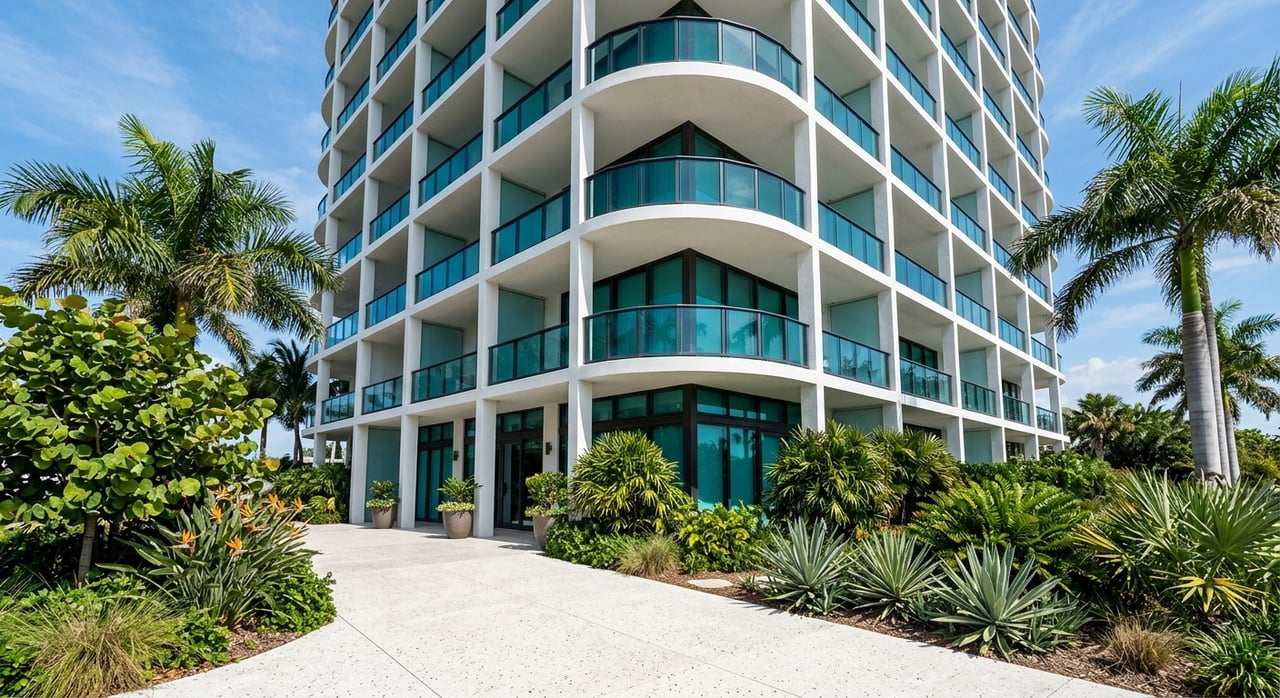
The downtown housing picture reflects that mix. The area includes ongoing condominium projects, and local planning also notes possible transit-oriented development zoning along SunRunner. For buyers and sellers, that means the arts core is tied to a housing landscape that can feel urban, walkable, and event-oriented.
Waterfront Museum District Sets a Scenic Tone
The Waterfront Museum District blends culture with one of the city’s most recognizable settings. Along the downtown waterfront park system and Beach Drive, you will find The Dalí, the Mahaffey Theater, the Museum of Fine Arts, the American Museum of Arts and Crafts, and The James Museum.
Because this area combines museums, dining, shopping, parks, festivals, and yacht basins, it creates a neighborhood feel that is both scenic and active. If you are drawn to condo living or a downtown lifestyle with easy access to events and public spaces, this district helps explain the appeal.
For sellers nearby, that arts-and-waterfront identity can be part of how buyers understand the area. It is not just about a single property. It is also about being close to a district that feels connected, polished, and full of things to do.
Central Arts District Feels Walkable
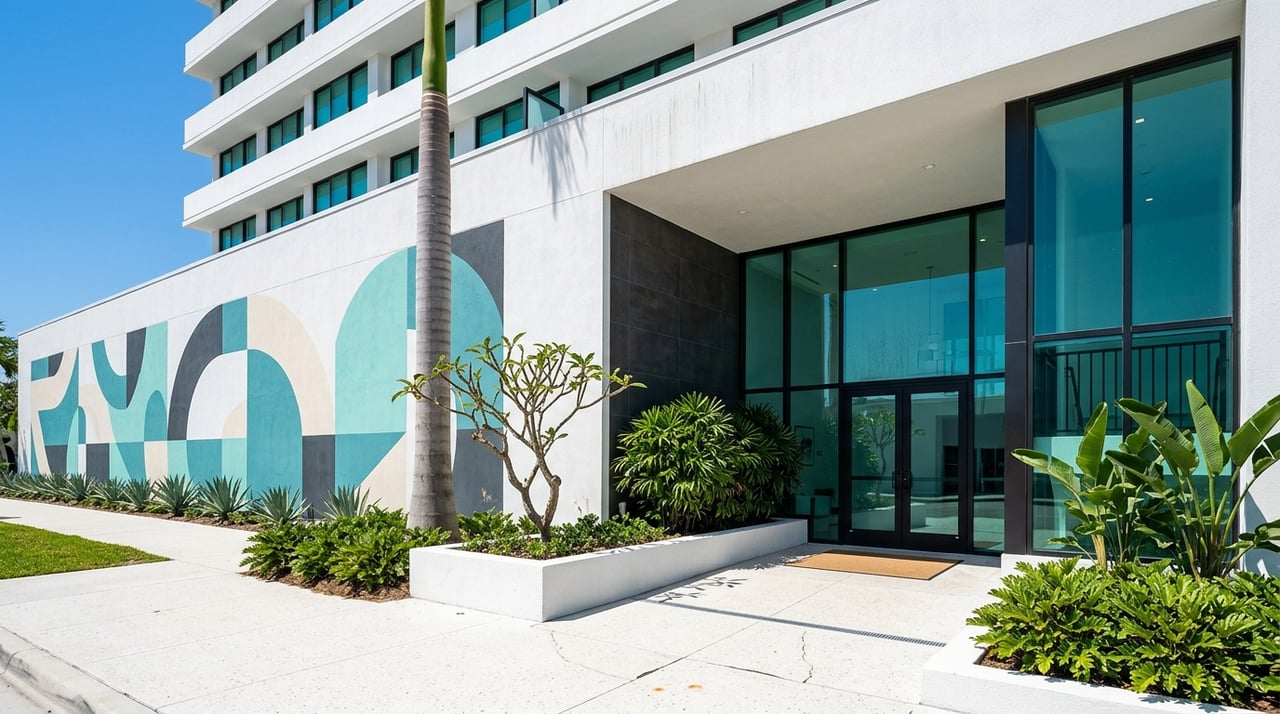
The Central Arts District runs along Central Avenue from 3rd Street to 7th Street. It is known for murals on galleries, boutiques, and restaurant walls, which gives the area a visual identity that feels immediate and memorable.
The district also brings together Florida CraftArt, the Chihuly Collection, the Morean Arts Center and Glass Studio, plus live music and nightlife in a compact downtown route. That concentration helps create a neighborhood experience where you can move from art spaces to dining and shopping without needing to go far.
From a housing perspective, areas like this often appeal to buyers looking for a lower-maintenance lifestyle near downtown activity. For anyone relocating to St. Pete, the Central Arts District is a strong example of how creative energy can shape the feel of a street-level environment.
Warehouse Arts District Shows Creative Reuse
The Warehouse Arts District has a different kind of character. Located in a former industrial area between 16th and 31st streets and 10th Avenue South to 1st Avenue North, it shows how large older buildings can take on new life through arts uses.
According to the district profile, the area includes a community of more than 300 artists, arts businesses, and organizations. The large building footprints support murals, studios, and creative reuse, which gives the district a distinct texture compared with the more polished waterfront areas.
This kind of environment often attracts people who value authenticity, workspace culture, and a neighborhood that feels actively evolving. It also helps explain why St. Pete’s arts scene feels spread through the city instead of isolated in a single downtown pocket.
Grand Central Blends Art and Local Business
Grand Central sits just west of the Downtown Core and adds another layer to the city’s arts identity. It is recognized nationally and by Florida as a Main Street America community and is home to 450 locally owned businesses.
The district is pedestrian- and bicycle-friendly, with galleries and studios mixed in among independent businesses. That blend helps create a neighborhood atmosphere where art is part of everyday commercial life rather than a separate destination.
For homebuyers, Grand Central often stands out because it connects creative activity with local retail and nearby residential areas. For sellers in surrounding neighborhoods, proximity to a district like this can help buyers picture an active, connected lifestyle.
MLK North Highlights Murals and Movement
The MLK North corridor runs along Dr. MLK Jr. Street from 5th Avenue North to 34th Avenue North. It is known for murals, locally owned businesses, and designated bike lanes that make the area easier to explore by bicycle or scooter.
This matters because transportation affects how people use neighborhoods. A district with visible art and practical mobility can feel more accessible and more integrated into daily routines, whether you are grabbing coffee, meeting friends, or spending a weekend exploring the city.
When you look at how the arts shape St. Pete, MLK North shows that the effect is not only visual. It also influences how people move through and connect with a corridor.
ArtWalk Connects Multiple Districts
One of the most interesting things about St. Pete’s arts scene is that it is not limited to one district. Second Saturday ArtWalk ties together the Central Arts, Grand Central, Warehouse Arts, Uptown Arts, Deuces Live, Edge, and Waterfront Arts districts as one arts destination.
That monthly connection reinforces the idea that these neighborhoods are part of a larger cultural network. Instead of competing identities, they create a broader city pattern where different districts each contribute their own character.
This is one reason St. Pete often feels cohesive even though each area has a distinct personality. The arts create both local identity and citywide connection at the same time.
Public Art Changes Streetscapes
Public art plays a major role in how St. Pete looks and feels at street level. Since 2015, SHINE says it has created 199 murals, helping turn walls and building exteriors into visible parts of the neighborhood experience.
Murals can make a corridor feel more memorable, more walkable, and more visually active. They also support small-business development, according to the St. Pete Arts Alliance, which frames Second Saturday ArtWalk as an economic strategy for local business growth.
For real estate, this matters because buyers often respond to the feel of a place before they can explain it. Streetscapes with visible art, active storefronts, and a sense of local identity can leave a strong impression.
Housing Around the Arts Is Varied
One reason the arts feel so embedded in St. Pete is that they sit alongside many different housing types. Local planning documents describe the corridor around 34th Street and Central Avenue as including Historic Kenwood, Northwest Kenwood, and Seminole Park.
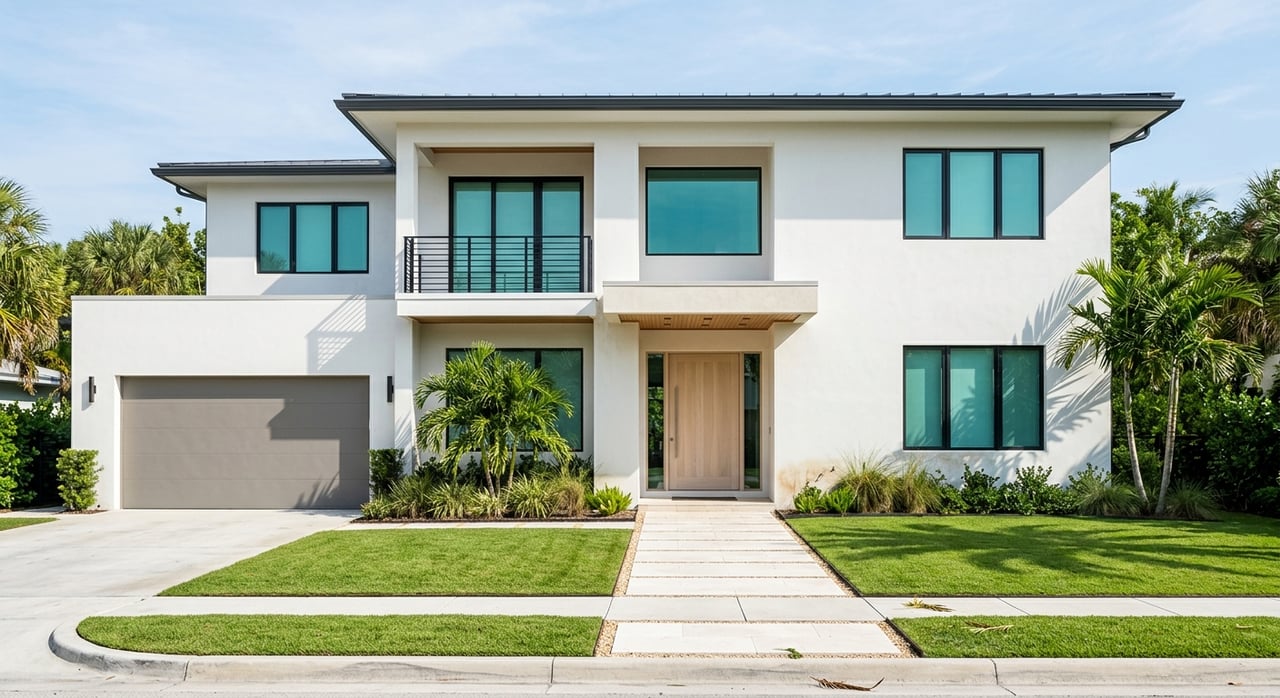
Those same sources note historic features such as hex block sidewalks, granite curbs, and brick streets. Historic Kenwood is known for bungalow and Craftsman homes, while surrounding areas outside that enclave are mostly 1950s single-family housing.
Add in newer downtown condominium projects, and you get a wide housing mix near major arts areas. For buyers, that means there may be several ways to live near the creative core, depending on your goals and lifestyle. For sellers, it helps explain why location narratives in St. Pete often go beyond price per square foot and include neighborhood character.
Free and Low-Cost Arts Matter Too
Not every arts experience in St. Pete comes with a big ticket price. Florida CraftArt’s galleries are free, the Morean Arts Center’s contemporary gallery is free daily, and The Dalí offers free public access to its ground-floor café, store, Avant-garden, and community room area.
That kind of access helps keep the arts scene part of everyday life. You do not need to plan a major outing to experience the city’s creative side, which adds to the sense that art is part of the neighborhood fabric.
For people considering a move, this is worth noting. Lifestyle value often comes from the small things you can enjoy regularly, not just the major attractions you visit once in a while.
Transit and Bike Access Expand the Scene
St. Pete’s arts neighborhoods are also easier to reach than many people expect. PSTA says the SunRunner links downtown St. Petersburg and St. Pete Beach in about 35 minutes, runs seven days a week from 6 a.m. to midnight, and includes bike racks.
Other local sources note alternatives like the Downtown Looper Trolley, Cross Bay Ferry, nearby garages and surface lots, and Pinellas Trail access to the Warehouse Arts District. Together, those options support an arts scene that is not car-only.
That can influence how buyers think about convenience and how residents use the city over time. Access shapes lifestyle, and in St. Pete, transportation helps connect the arts to everyday neighborhood life.
What This Means for Buyers and Sellers
If you are buying in St. Petersburg, the arts scene can be a helpful lens for narrowing your search. It may guide you toward waterfront museums, mural-filled downtown blocks, bike-friendly corridors, or neighborhoods near historic homes and creative districts.
If you are selling, the arts story around your home may help explain the broader lifestyle your location offers. A strong property presentation often works best when it places the home within the context of nearby destinations, streetscape character, and how people actually live in the area.
That is especially true in a city like St. Pete, where neighborhood identity is shaped by more than housing stock alone. The arts help define movement, gathering, business activity, and the feeling people carry with them after a showing or a weekend visit.
If you want help understanding how St. Petersburg’s neighborhood character can affect your home search or sale strategy, Ali Schaaff can help you navigate the local market with clear guidance and thoughtful, neighborhood-focused insight.
FAQs
How does St. Petersburg’s arts scene affect local neighborhoods?
- The arts help shape neighborhood identity, support local businesses, influence streetscapes, and create activity around museums, murals, galleries, and events across multiple districts.
Which St. Petersburg neighborhoods are most connected to the arts?
- The most visible arts clusters include the Waterfront Museum District, Central Arts District, Warehouse Arts District, Grand Central District, and the MLK North corridor.
What types of homes are near St. Petersburg arts districts?
- Nearby housing includes historic bungalow and Craftsman homes in Historic Kenwood, 1950s single-family housing in surrounding areas, and newer downtown condominium projects.
Is St. Petersburg’s arts scene easy to explore without a car?
- Yes. Local sources highlight options such as SunRunner, the Downtown Looper Trolley, bike access, the Pinellas Trail, ferry access, and walkable downtown districts.
Are there free arts attractions in St. Petersburg?
- Yes. Florida CraftArt’s galleries are free, the Morean Arts Center’s contemporary gallery is free daily, and The Dalí offers free public access to several ground-floor spaces.
Why does the arts scene matter when buying or selling a home in St. Petersburg?
- The arts scene helps define neighborhood character and lifestyle, which can influence how buyers experience an area and how sellers position a home within its local setting.